
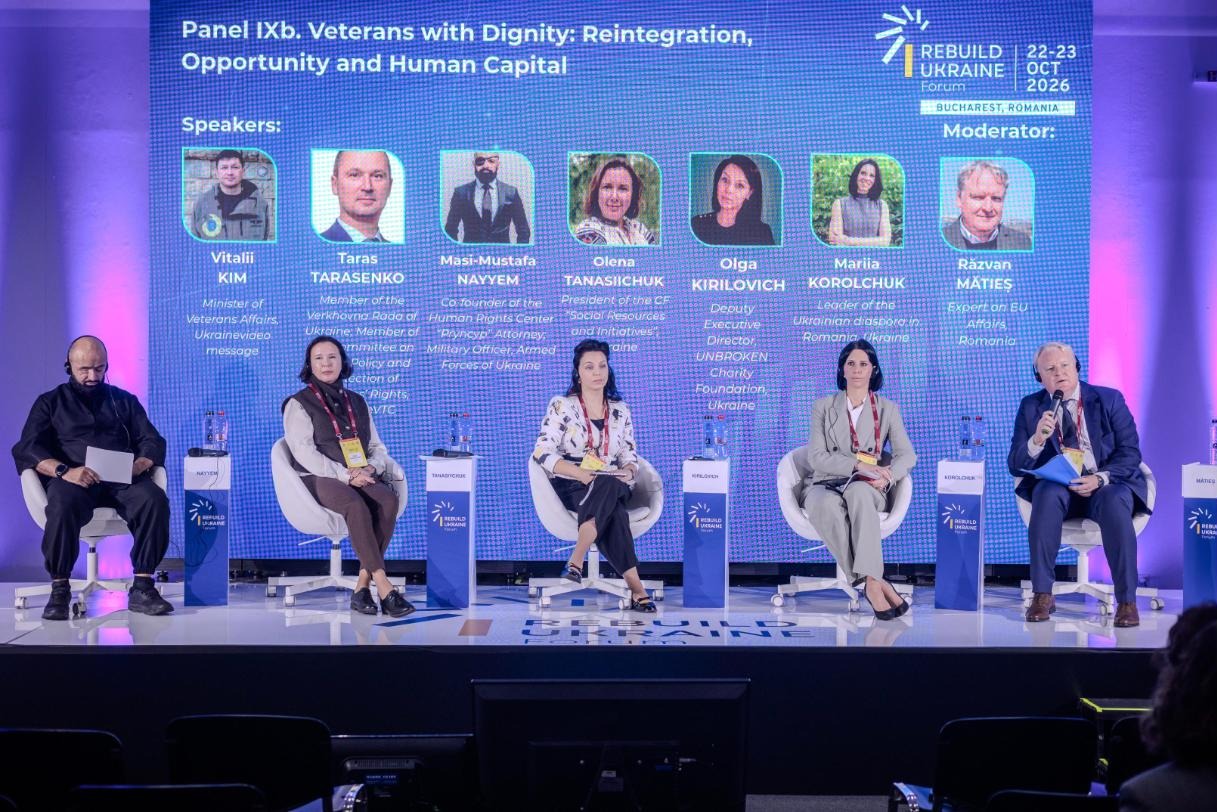
Rebuild Ukraine Forum 2026 / Panel IXb / 23 October 2026
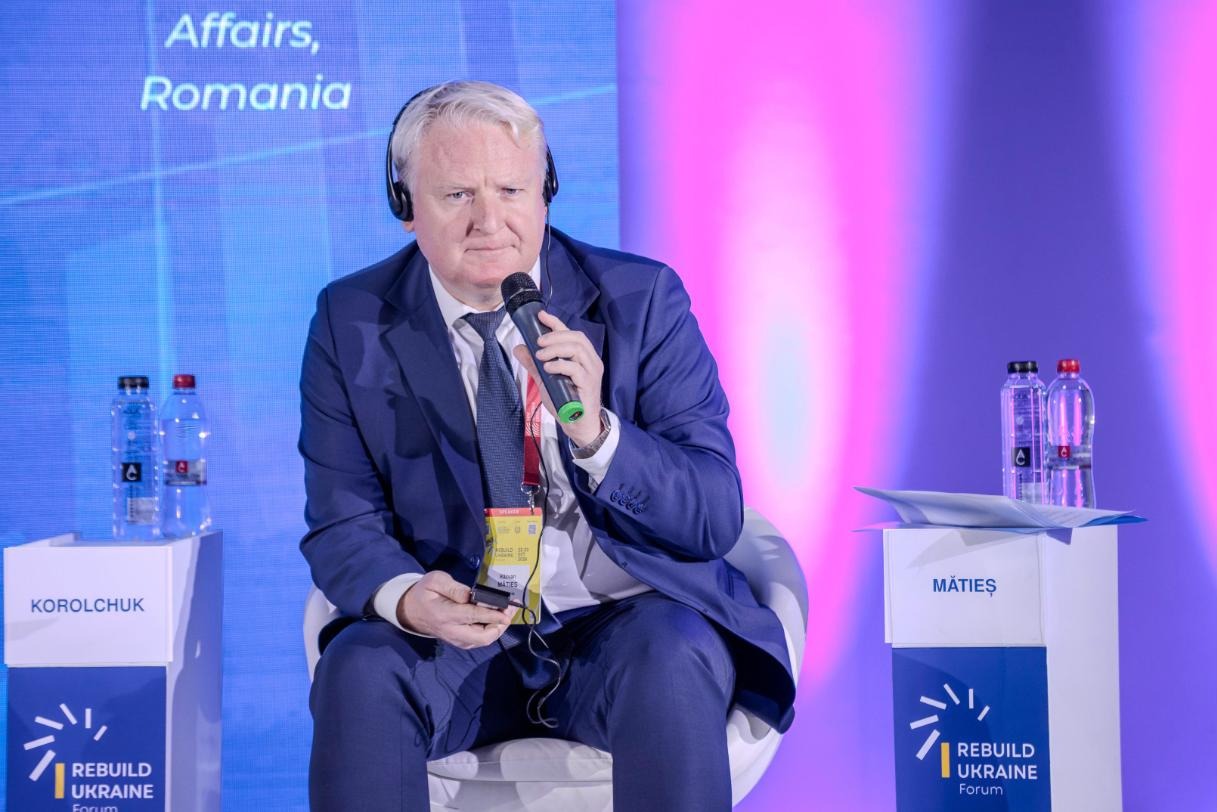
Moderator
Răzvan Mătieș
Expert on EU Affairs, Romania
Keynote
Vitalii Kim
Minister of Veterans Affairs, Ukraine (video message)
Speaker
Taras Tarasenko
Member of the Verkhovna Rada of Ukraine; Member of the Committee on Social Policy and Protection of Veterans’ Rights (VTC)
Speaker
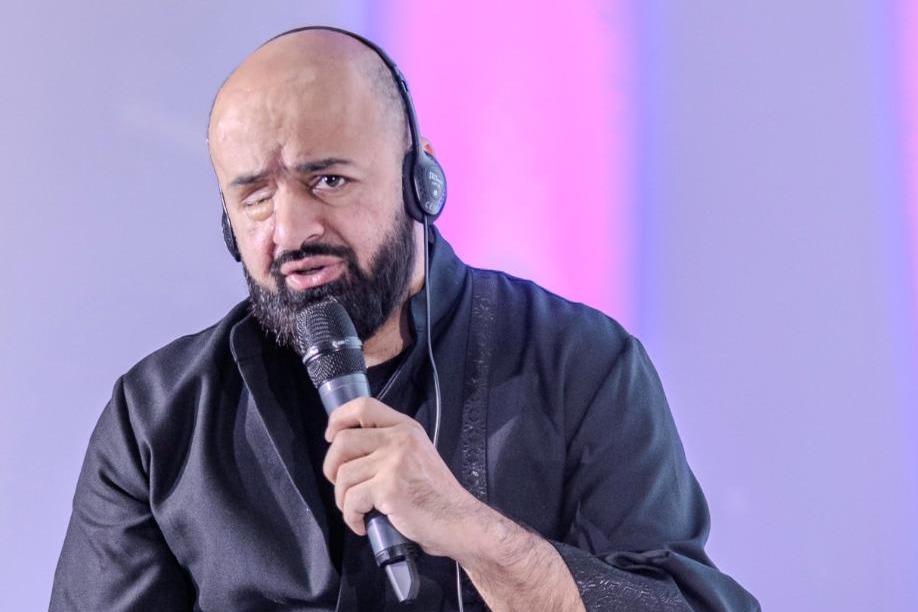
Masi-Mustafa Nayyem
Founder, Miller Law Firm; Co-founder of the Human Rights Center “Pryncyp”; Attorney, Ukraine
Speaker
Olena Tanasiichuk
President, Charity, Resources and Public Initiatives Fund, Chernivtsi region, Ukraine
Speaker
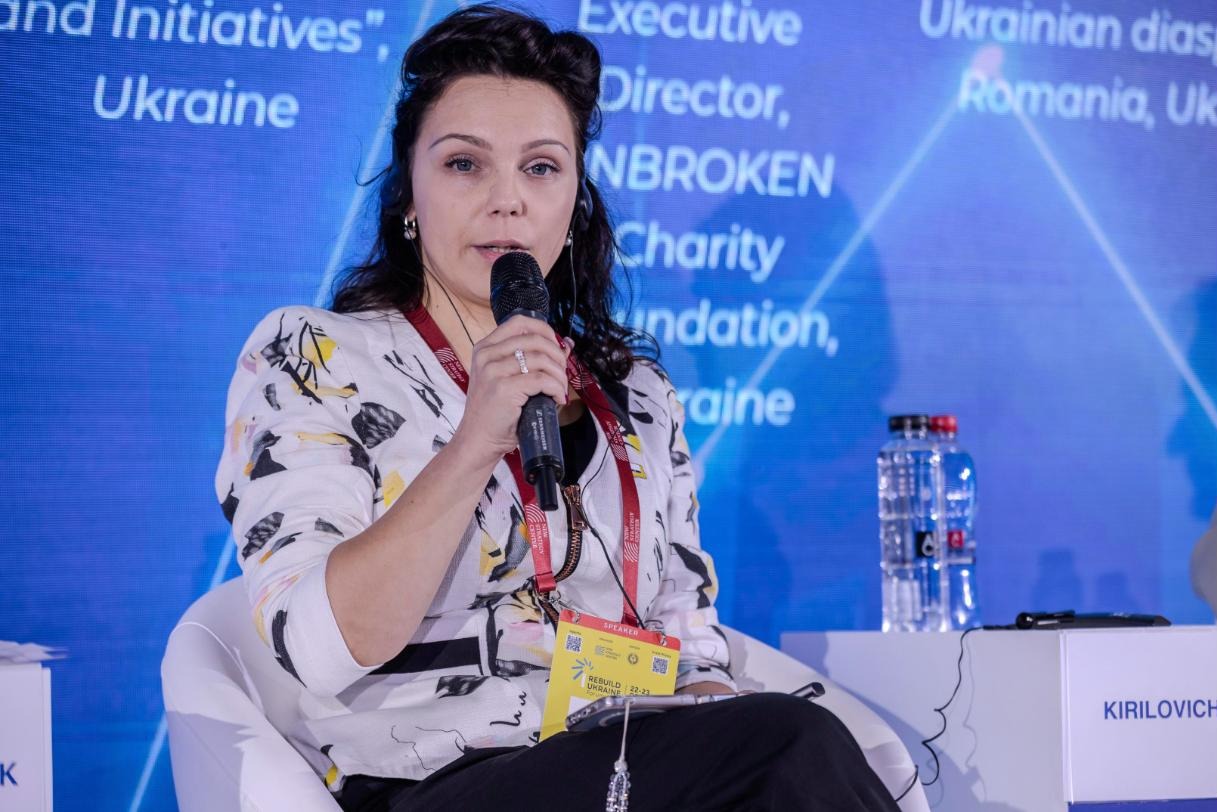
Olga Kirilovich
Deputy Executive Director, UNBROKEN Charity Foundation, Ukraine
Speaker
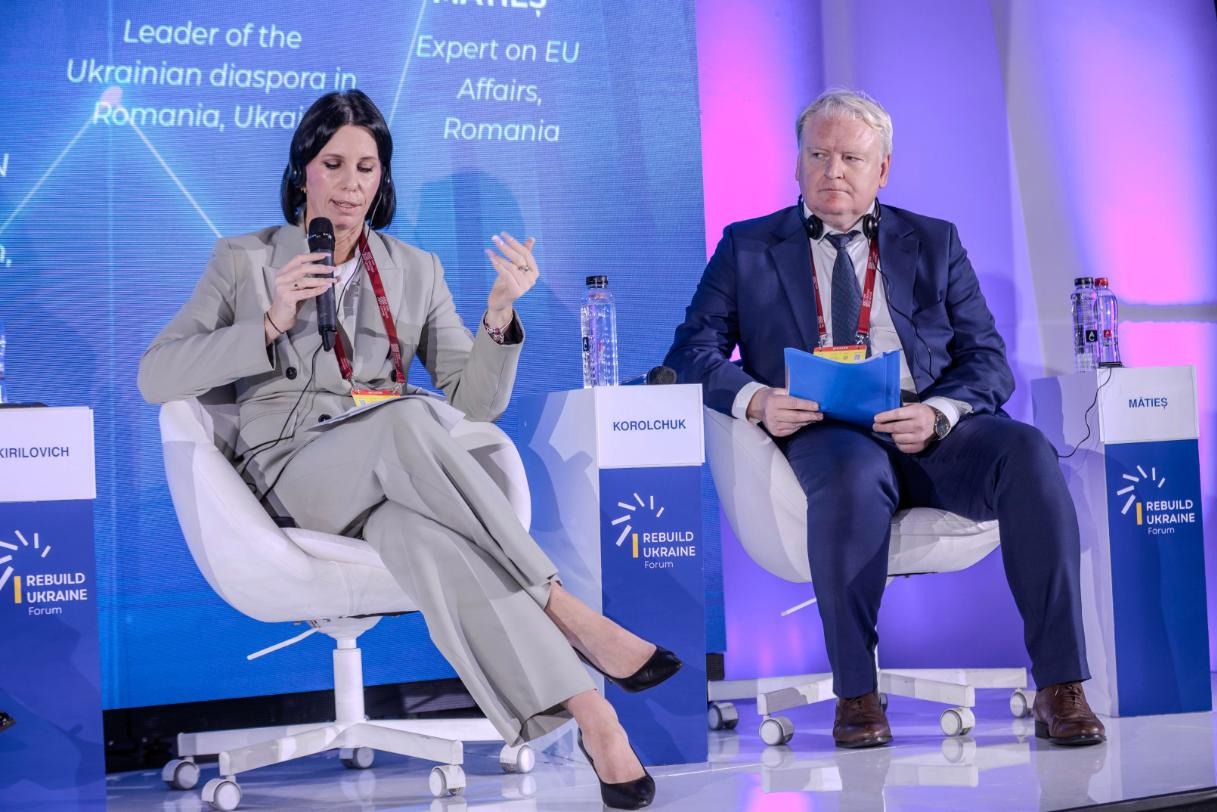
Mariia Korolchuk
Prominent Leader in Ukrainian Community Support and Integration in Romania
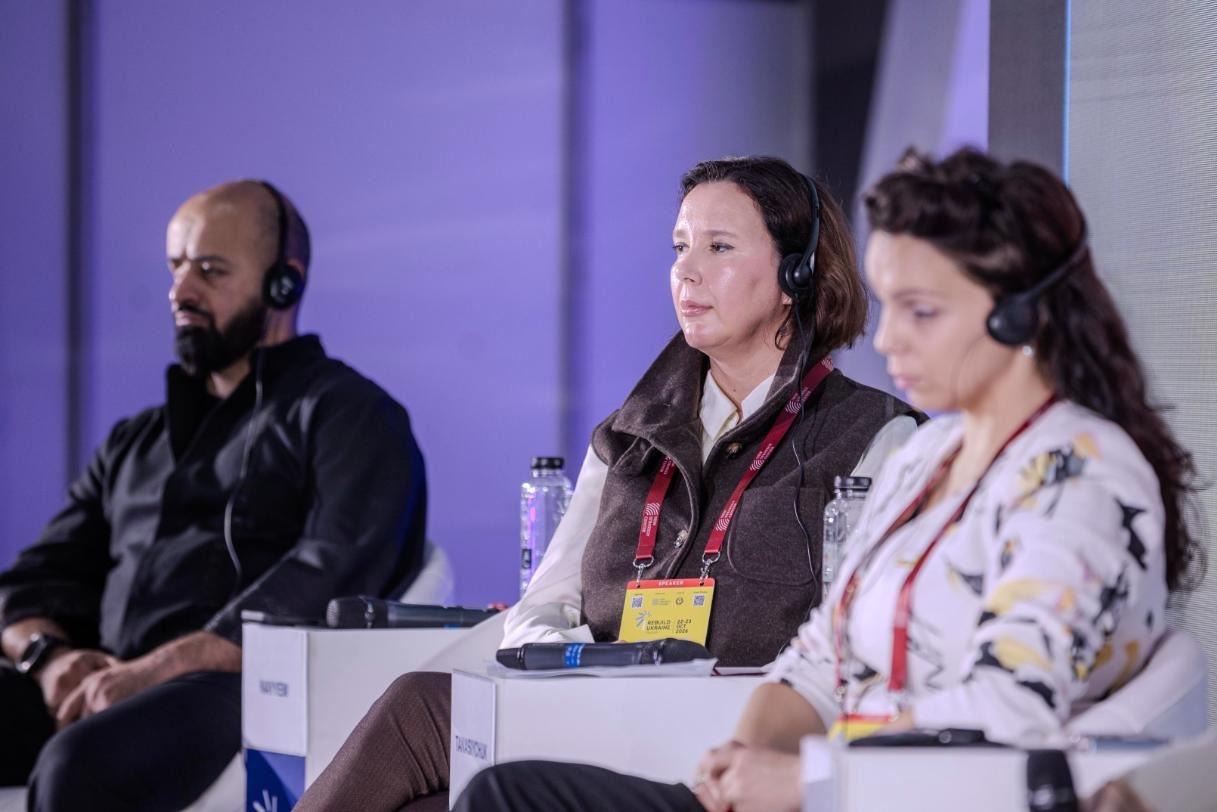
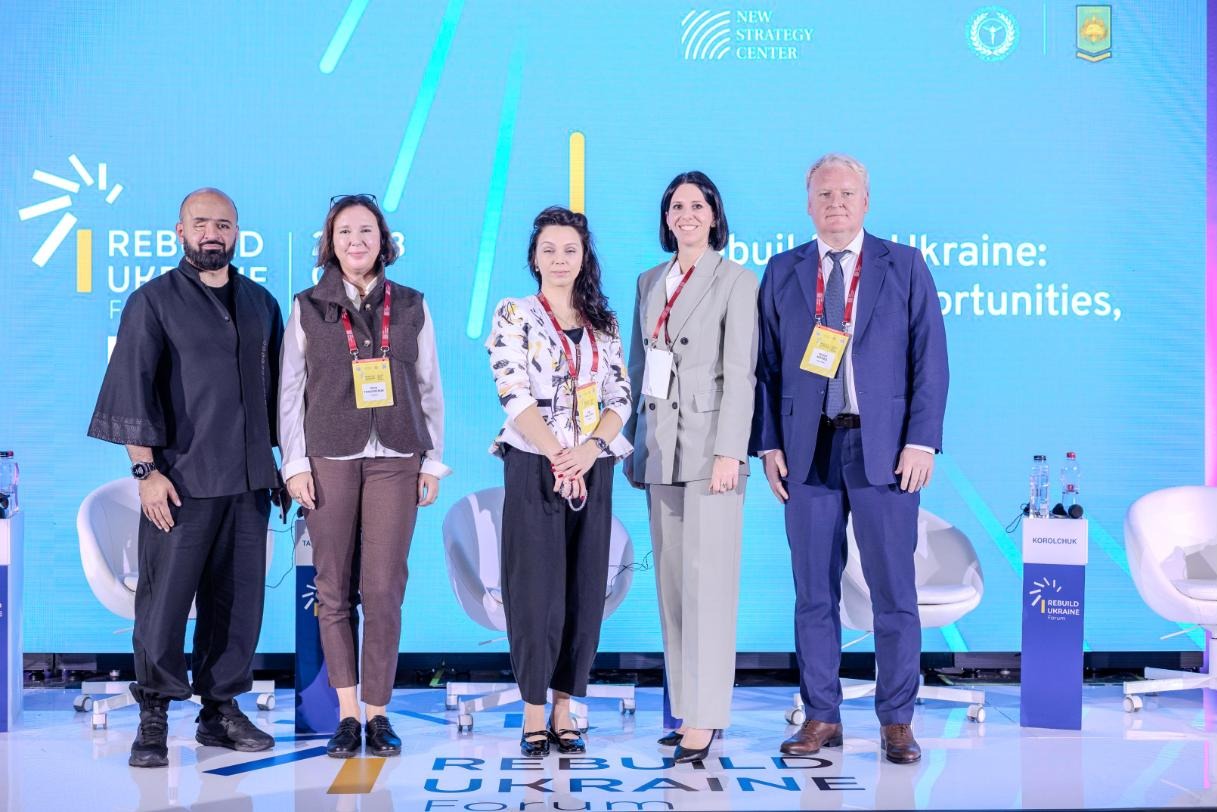
The panel examined the challenges of reintegrating Ukrainian veterans into civilian life and the importance of recognising their skills, supporting their families and creating meaningful opportunities for employment and participation in Ukraine’s recovery. Moderator Răzvan Mătieș brought together policymakers, civil society representatives and professionals working in veteran support, highlighting the need to make human capital a central part of reconstruction.
In a video message, Vitalii Kim, Ukraine’s Minister of Veterans Affairs, emphasised the importance of a more people-centred veterans’ policy, less bureaucracy and digital public services. He stressed that veterans’ military experience, leadership and motivation can make them key contributors to rebuilding Ukrainian communities and civil society. Taras Tarasenko, Member of the Verkhovna Rada, discussed the state’s responsibility to support veterans through physical and psychological rehabilitation, the transition to civilian life and access to employment, and called for a coordinated support system that also addresses the needs of veterans’ families and promotes their long-term financial independence.
Masi-Mustafa Nayyem drew attention to gaps in Ukraine’s legal framework for veterans, which dates back to 1993 and no longer matches their current needs. A veterans’ policy proposed by civil society organisations is still awaiting adoption, despite the growing number of people who need support. He pointed to complicated procedures, insufficient rehabilitation and employment support and poor coordination between government policies, and stressed that veterans are seeking fair opportunities to rebuild their lives and contribute to the country, beyond benefits or special privileges. Ukraine’s institutions, he warned, must prepare for the return of a much larger veteran population.
Olena Tanasiichuk presented research showing that public recognition of veterans is relatively strong, while practical opportunities for employment and entrepreneurship remain limited. Her organisation helps veterans and internally displaced people build economic independence, with initiatives that have helped establish around 200 businesses across Ukraine. She highlighted veterans’ transferable skills, such as leadership, logistics, rapid decision-making and crisis management, and argued that the difficulty in using these skills is a challenge for society as a whole. Olga Kirilovich described the integrated approach of the UNBROKEN Foundation to medical treatment, rehabilitation, prosthetics and reintegration: more than 27,000 veterans and civilians injured in the war have been treated in its rehabilitation centres. Medical recovery is only one part of the process, she said, as veterans must also return to communities, workplaces and public spaces ready to welcome them, and they should be recognised as professionals, leaders and active citizens.
Mariia Korolchuk connected veterans’ reintegration with Ukraine’s wider human capital challenges, including the experience of Ukrainians abroad. Patriotism may encourage people to return, she argued, but sustainable economic opportunities and professional recognition are essential to building a future in Ukraine. A job alone is different from a career, inclusion or economic independence, and she called on employers to become active partners in veterans’ professional development. In the closing discussion, Nayyem and Tanasiichuk stressed that veterans should be able to choose how and when they contribute to reconstruction, once they have the physical and financial independence to do so. The panel concluded that Ukraine’s reconstruction also means reforming veterans’ policy, strengthening rehabilitation and employment systems, supporting families and building an inclusive society.
Watch the full panel English → Română → Українська →