
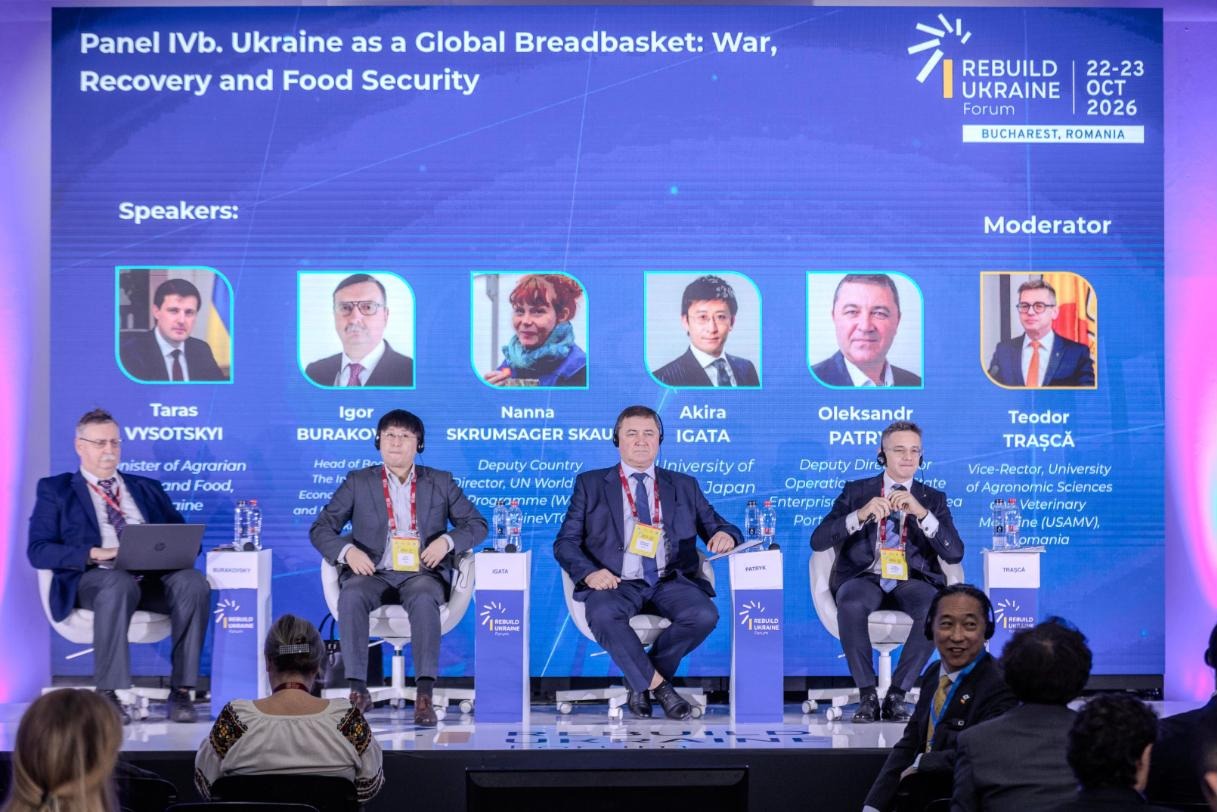
Rebuild Ukraine Forum 2026 / Panel IVb / 22 October 2026
Moderator
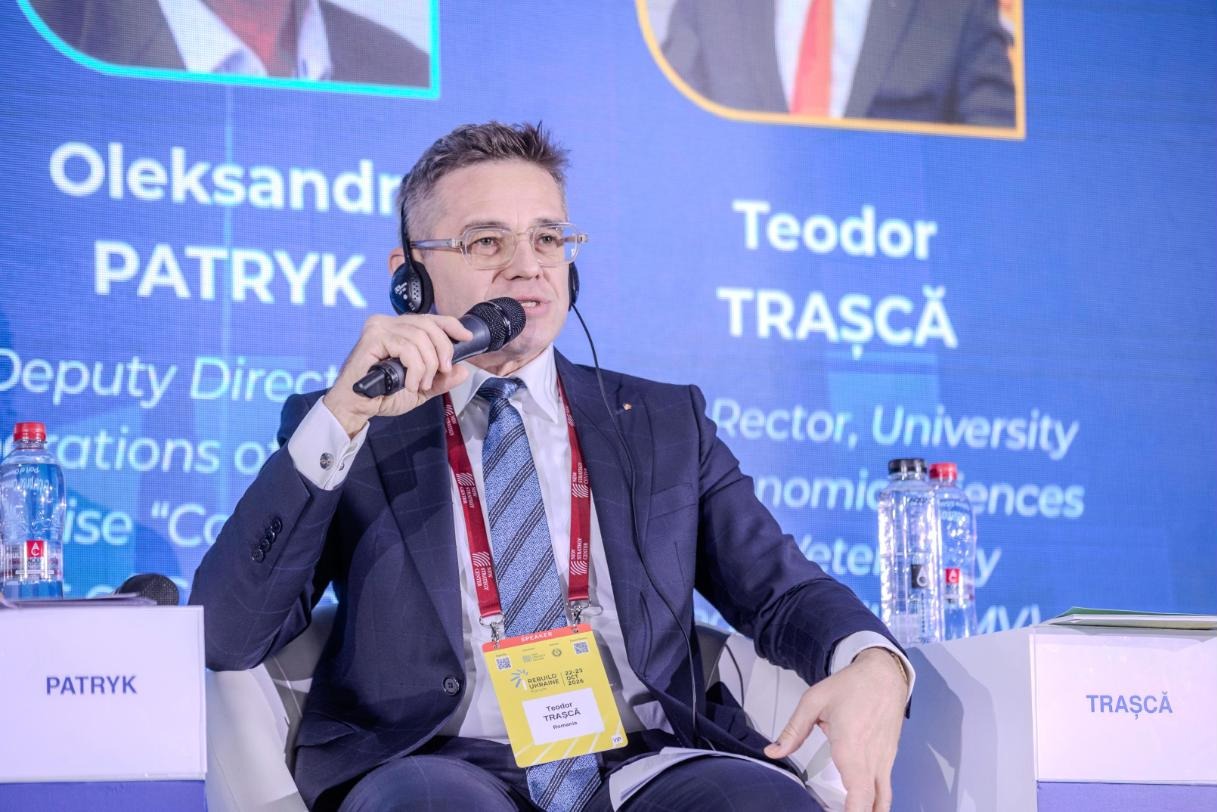
Teodor Trașcă
Vice-Rector, University of Agronomic Sciences and Veterinary Medicine of Bucharest (USAMV)
Keynote
Taras Vysotskyi
Minister of Agrarian Policy and Food, Ukraine (VTC)
Speaker
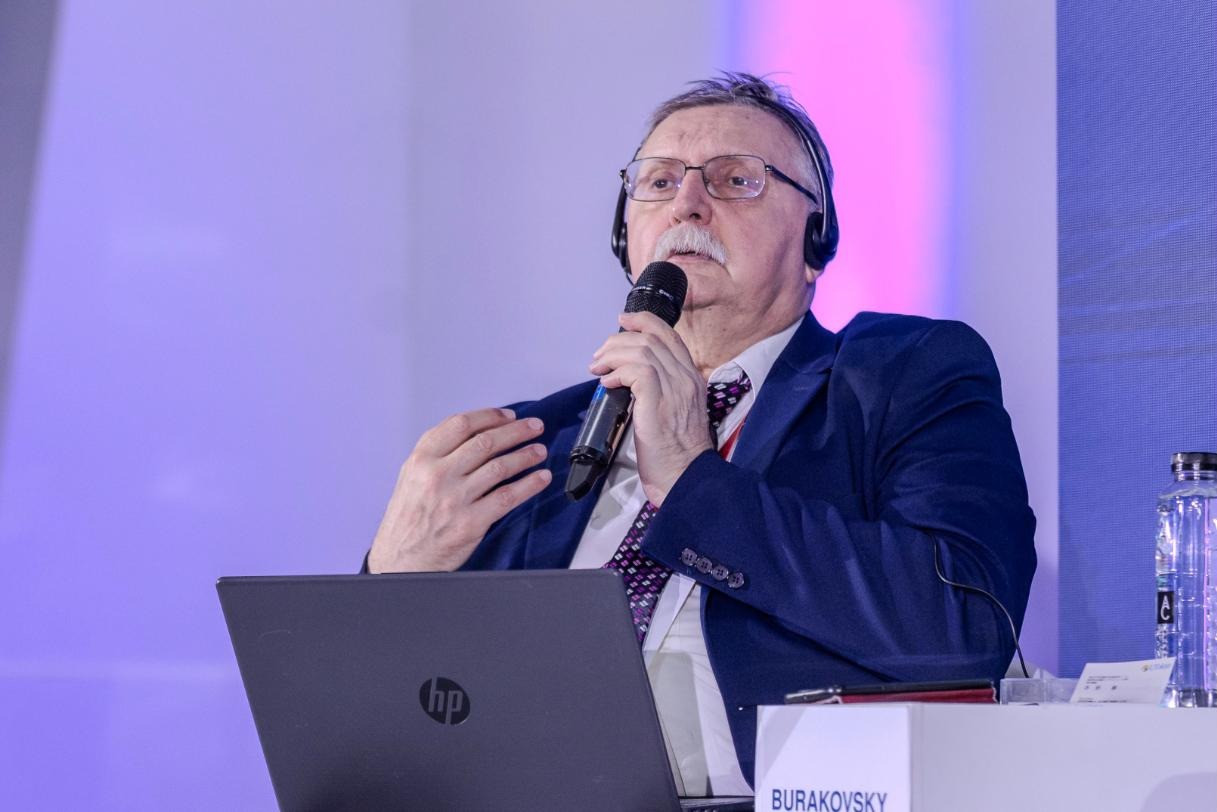
Igor Burakovsky
Head of the Board, Institute for Economic Research and Policy Consulting, Ukraine
Speaker
Nanna Skrumsager Skau
Deputy Country Director, UN World Food Programme, Ukraine (VTC)
Speaker
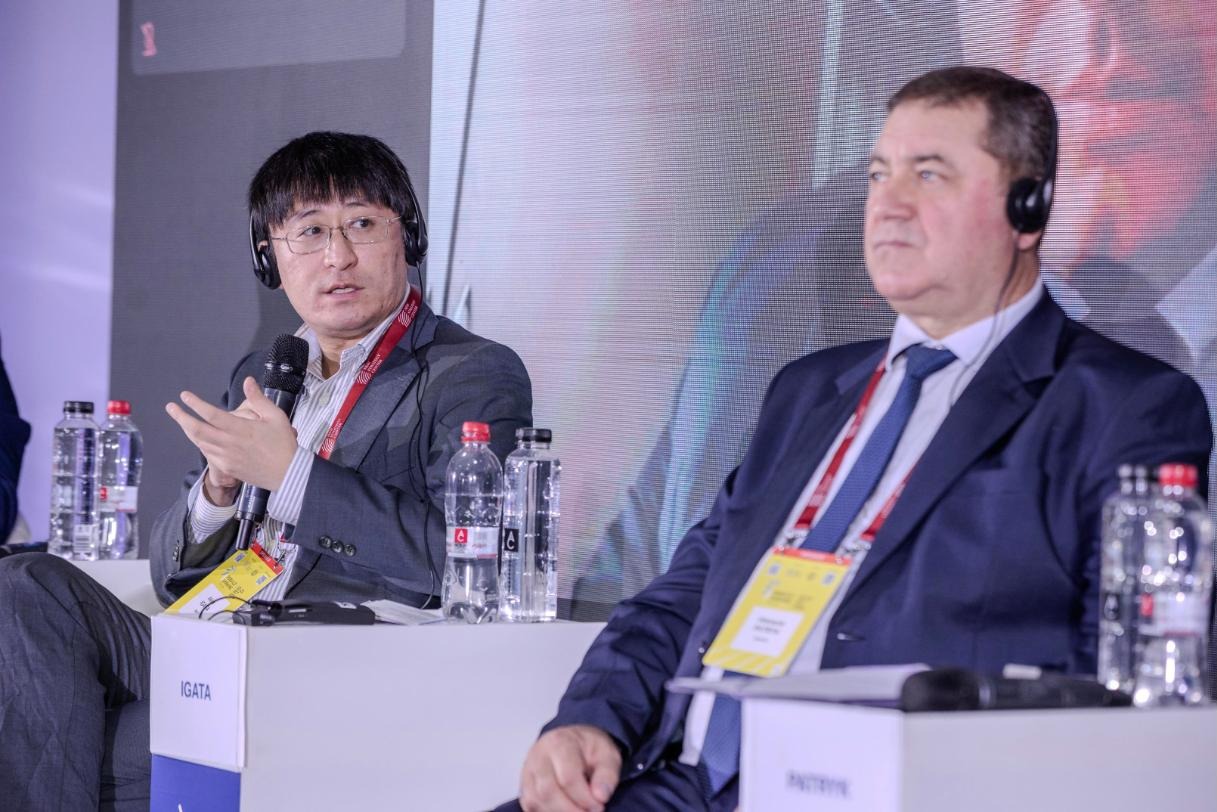
Akira Igata
Project Lecturer, Research Center for Advanced Science and Technology, University of Tokyo
Speaker
Oleksandr Patryk
Deputy Director for Operations, State Enterprise Commercial Sea Port of Chornomorsk, Ukraine
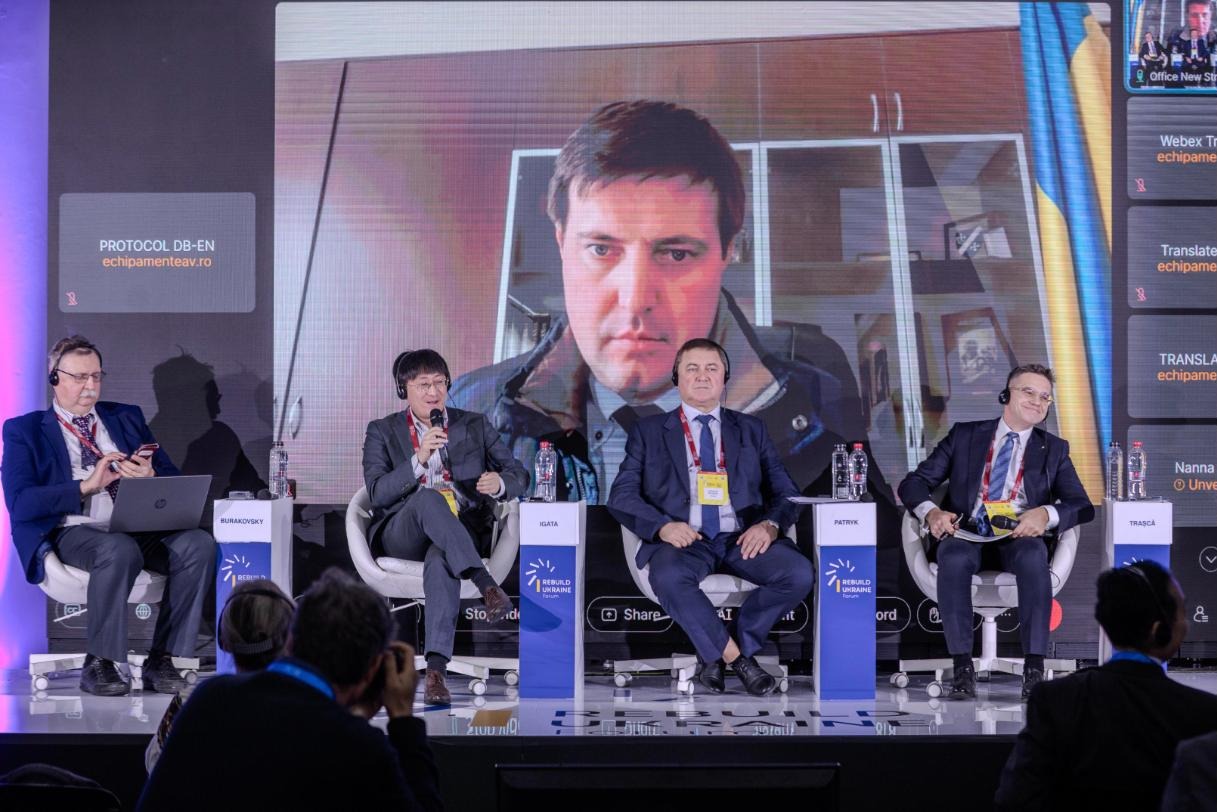
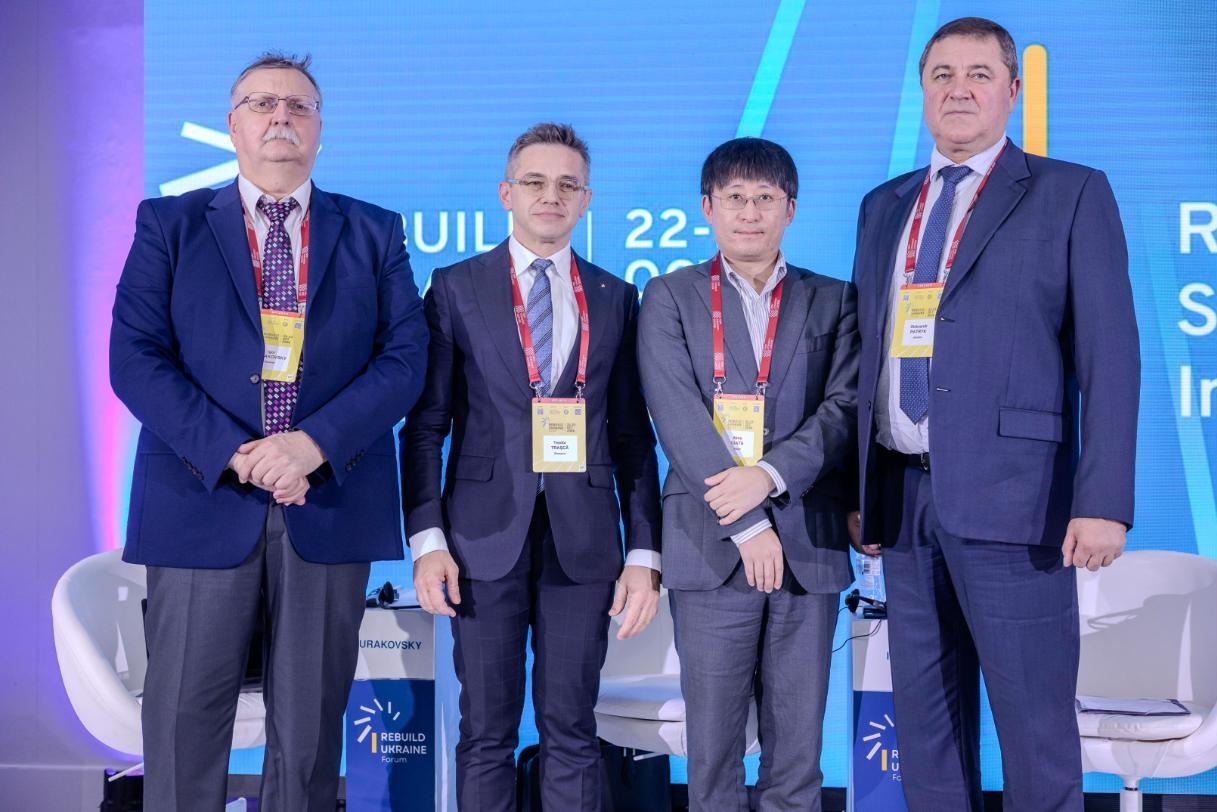
The panel examined Ukraine’s agricultural recovery, the impact of the war on global food security, and the need to strengthen logistics, investment, and innovation. Igor Burakovsky highlighted the resilience of Ukrainian agriculture, noting an increase in grain and leguminous crop production despite wartime conditions, while emphasizing the need for approximately $55 billion over the next decade to restore machinery and equipment, improve productivity, expand export markets, and adapt to climate change and EU regulations. He also stressed that Ukraine’s EU accession should be viewed as a shared strategic opportunity, with implications for European agricultural policy and long-term food security.
Minister Taras Vysotskyi underlined the severe impact of Black Sea port disruptions on Ukraine’s export capacity, warning that reduced shipments could drive up international food prices and threaten future production. He called for diversified transport routes, investment in railway infrastructure and inland terminals, more efficient border crossings, and potential EU support to offset the high costs of alternative logistics. He also outlined plans to diversify production towards soybeans and other protein crops, expand domestic processing, and maintain the value of agricultural output despite transport constraints.
Akira Igata highlighted opportunities for Japanese cooperation in transport technology, logistics, food technology, and agri-tech, including precision agriculture and innovative food production methods. He emphasized that Ukraine’s reconstruction offers an opportunity to adopt advanced technologies, improve resource efficiency, and position the country as a driver of agricultural innovation and sustainable economic growth. Oleksandr Patryk stressed that continued attacks and the blockade of the Black Sea have severely disrupted port operations and grain exports, forcing Ukraine to rely more heavily on rail transport and alternative routes. He underlined the resilience and potential of the Port of Chornomorsk, highlighting its infrastructure, experienced workforce, and readiness to attract investment, restore operations, and become a modern logistics hub supporting both agricultural exports and reconstruction imports.
Nanna Skrumsager Skau emphasized that sustained investment, access to finance, and support for farmers are essential to strengthening resilience against both the war and climate change. She also highlighted the opportunity to modernize Ukraine’s food system, improve investment readiness among small and medium-sized enterprises, and adopt more efficient agricultural approaches. Moderator Teodor Trașcă brought together the discussion’s key priorities, stressing the need for less vulnerable export systems and stronger land-based transport corridors to ensure the continuity of Ukrainian agricultural supplies.

Watch the full panel English → Română → Українська →