

Rebuild Ukraine Forum 2026 / Panel Va / 22 October 2026
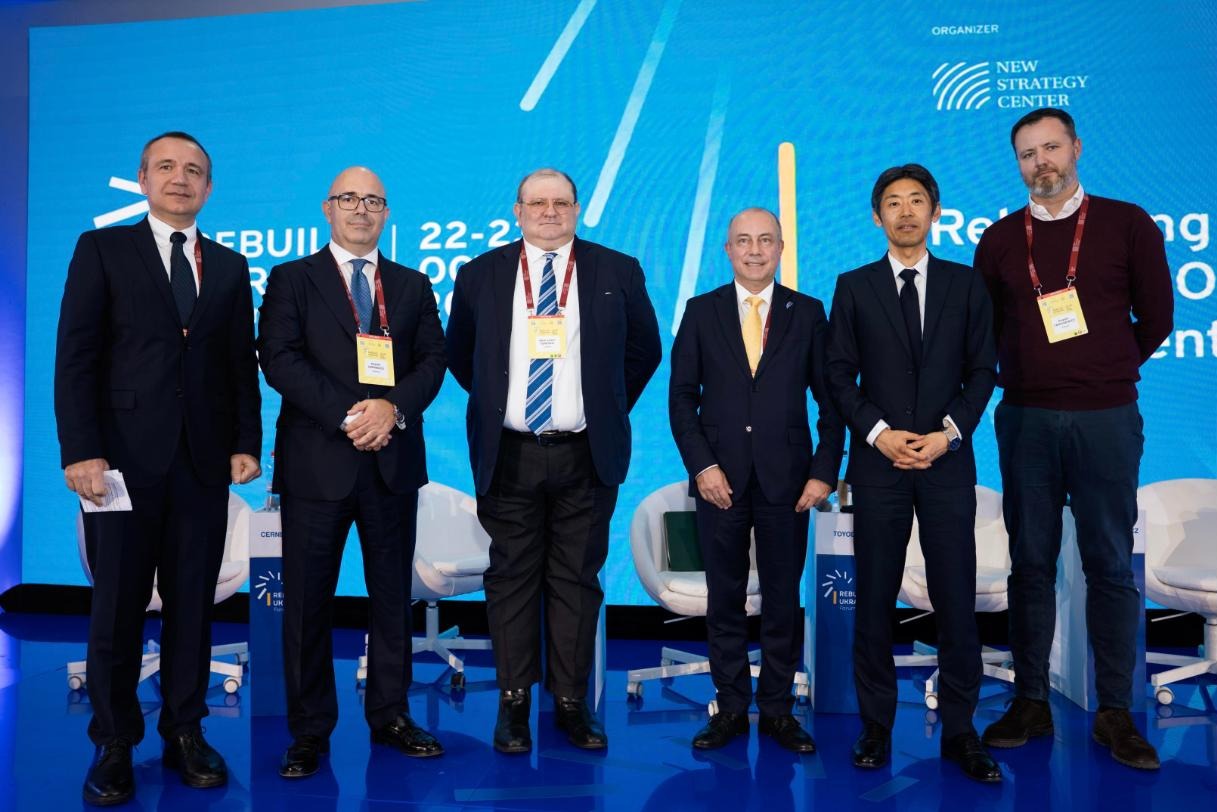
Moderator
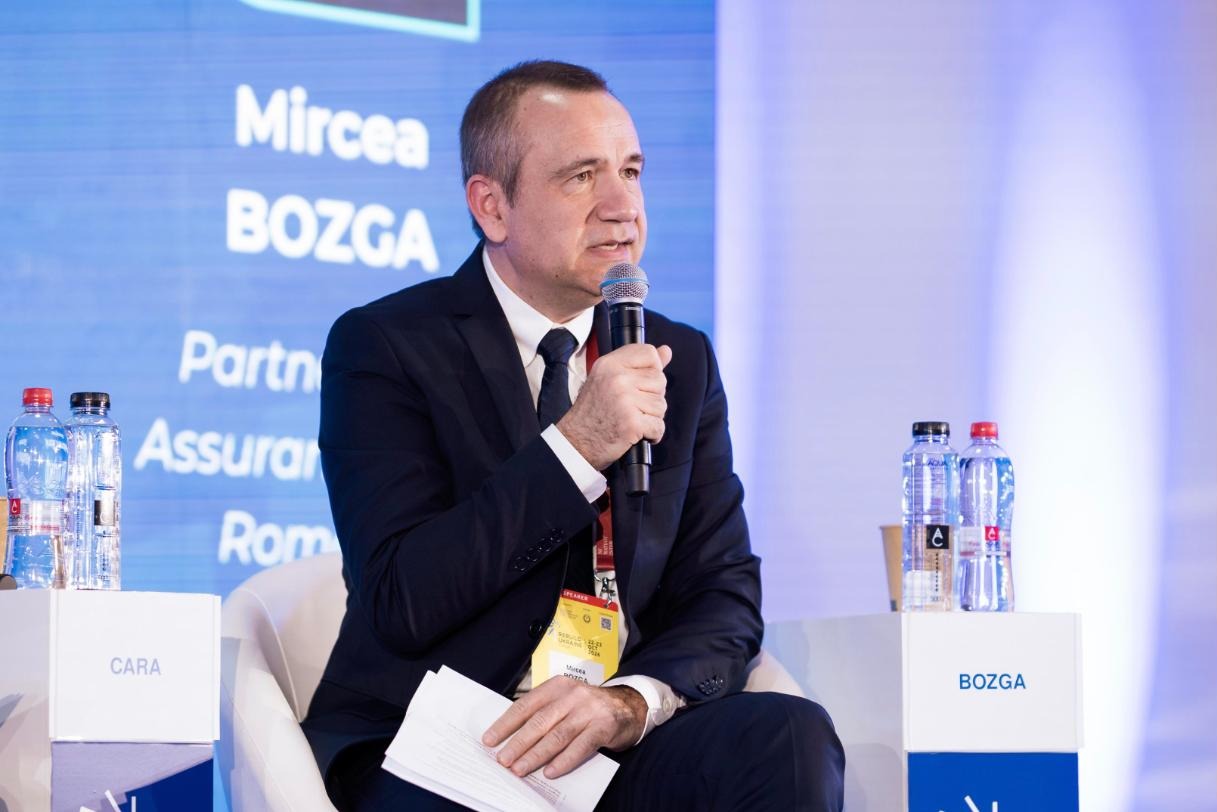
Mircea Bozga
Partner, Risk Assurance, PwC Romania
Keynote
Oleksandr Kravchenko
Minister of Economy and Environment, Ukraine (video message)
Speaker
Volodymyr Tsabal
Former Secretary of the Committee on Budget, Verkhovna Rada of Ukraine (VTC)
Speaker
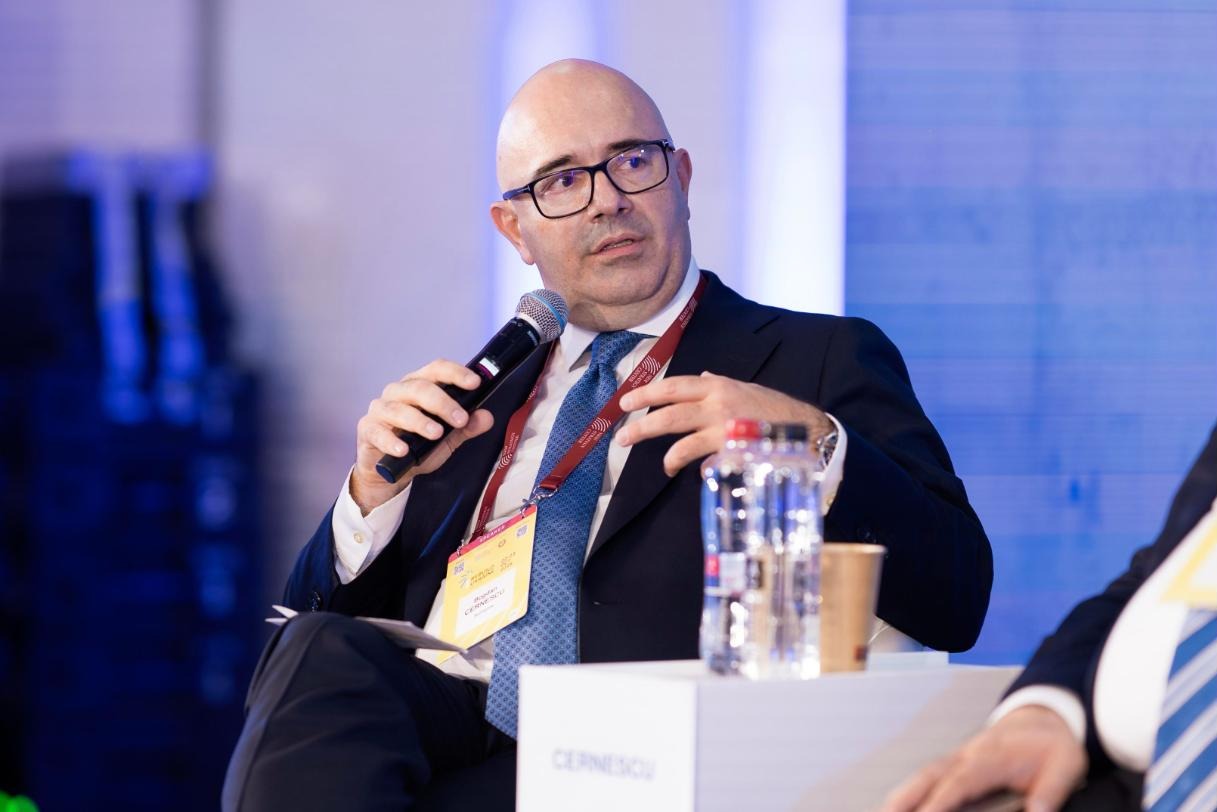
Bogdan Cernescu
Managing Director and Head of Corporate Banking, Banca Comercială Română (BCR), Romania
Speaker
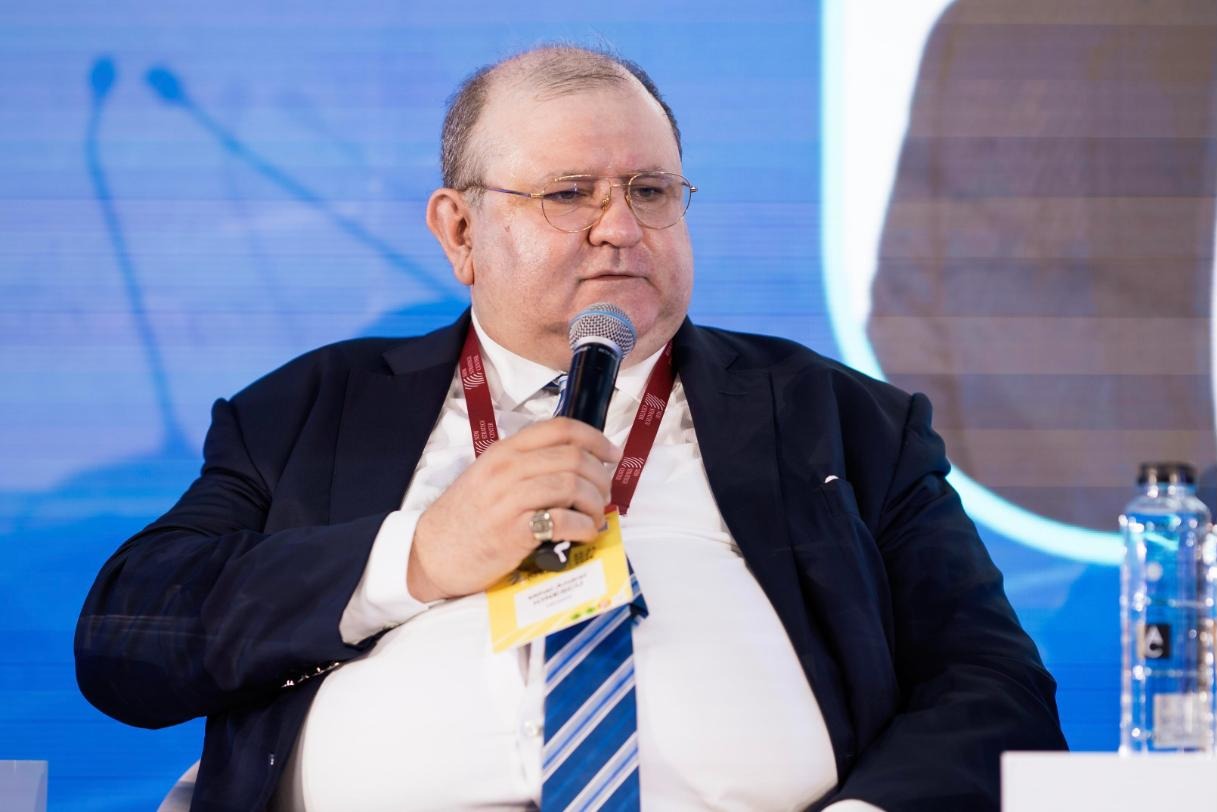
Mihai-Andrei Ionescu
Independent Member of the Supervisory Board and Chairman of the Transformation Committee, PrivatBank, Ukraine
Speaker
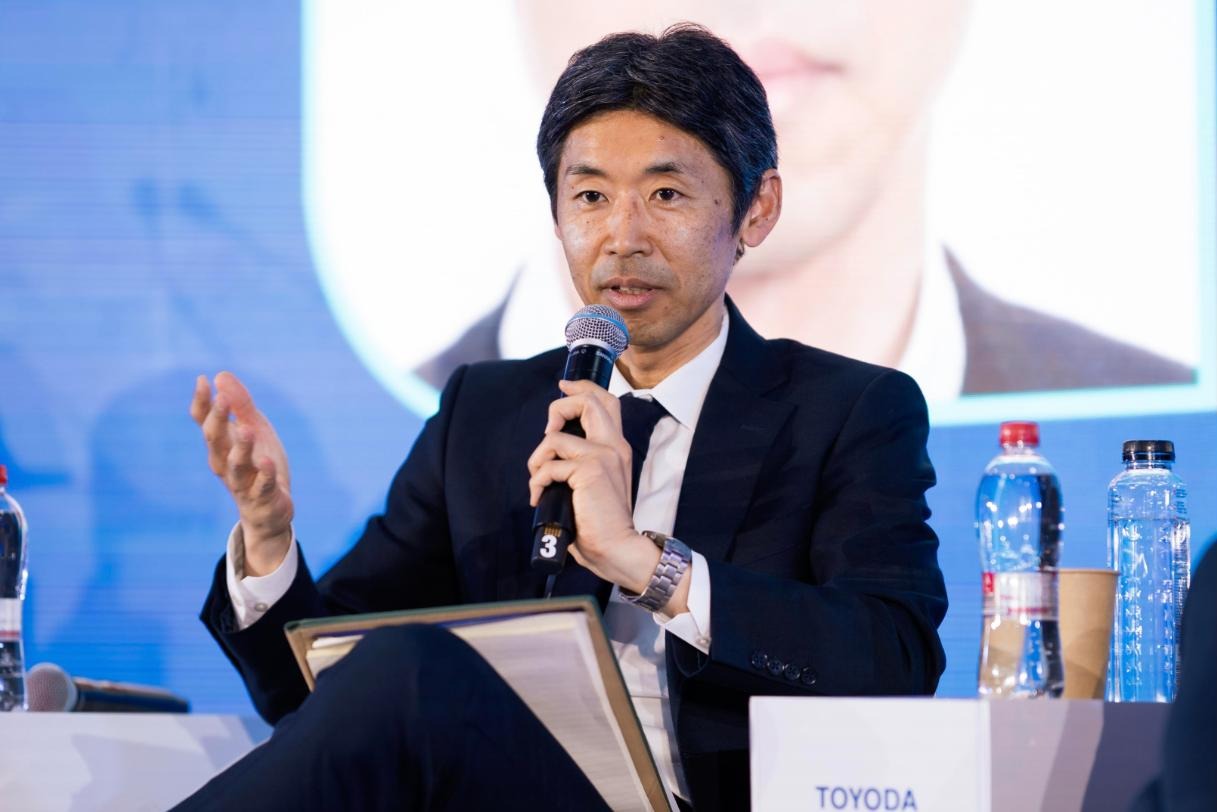
Kohei Toyoda
Resident Managing Officer and Regional Head for Europe, the Middle East and Africa, Japan Bank for International Cooperation (JBIC)
Speaker
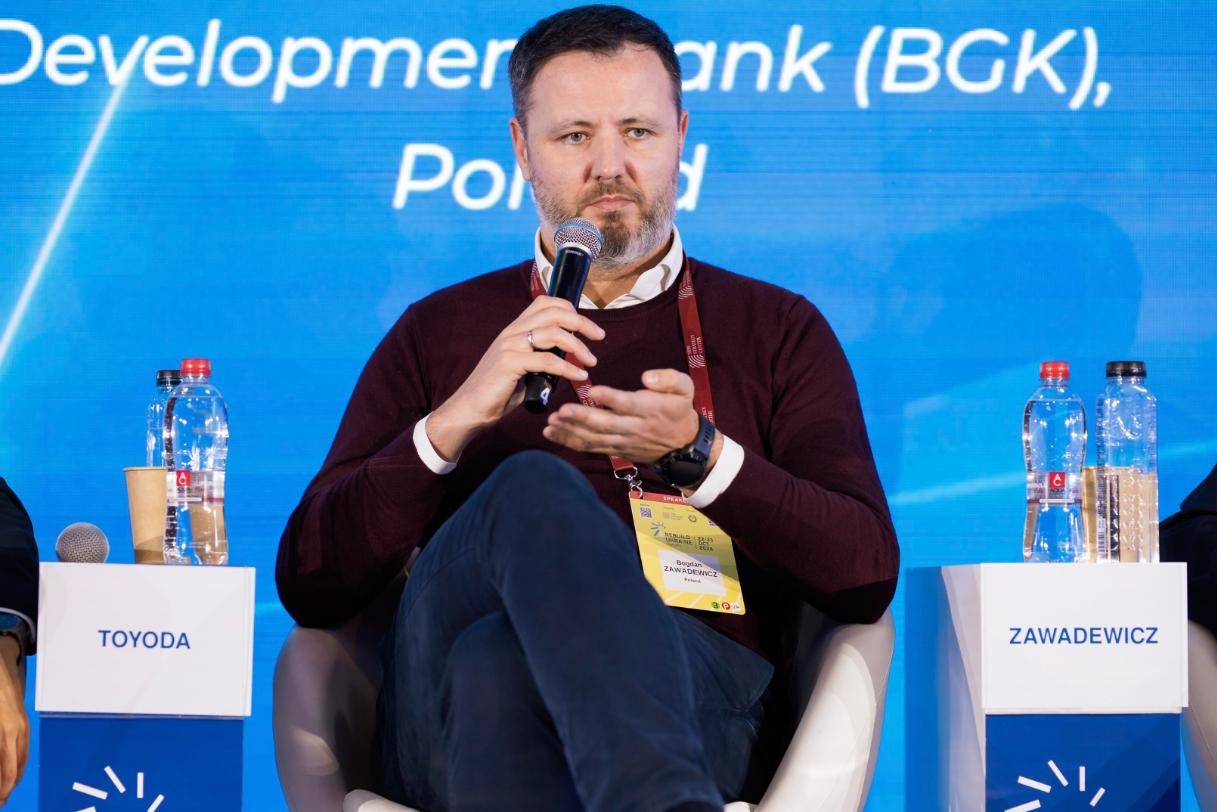
Bogdan Zawadewicz
Director of the Geopolitical Risk Analysis Office, BGK Bank, Poland
Speaker
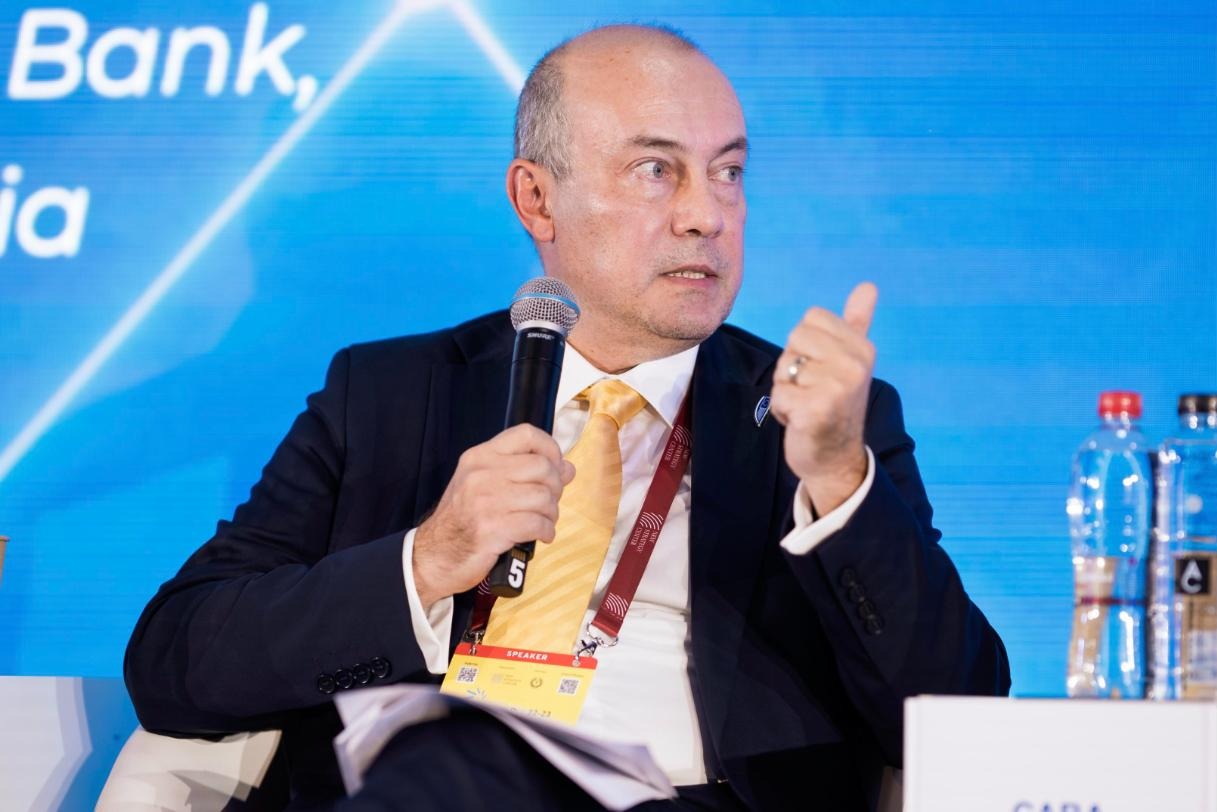
Marius Cara
Head of the Romania Office, European Investment Bank (EIB)
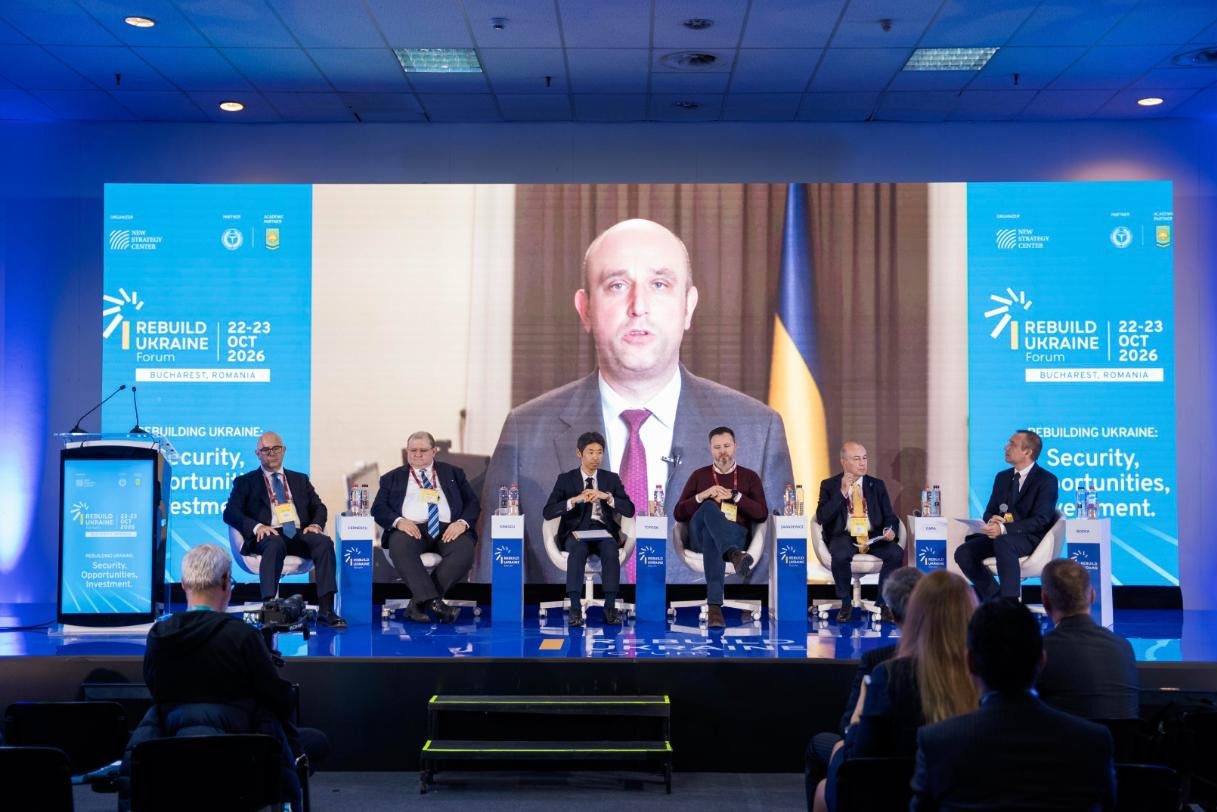
The discussions centered on the complex challenges of financing Ukraine’s reconstruction, the mechanisms for mobilizing private capital and the allocation of risk. Bogdan Cernescu emphasized that banks struggle to fully comprehend war risks, which calls for thorough analysis of each transaction, streamlined instruments and the active participation of Romanian companies. From the perspective of the Ukrainian banking sector, Mihai-Andrei Ionescu reported that PrivatBank achieved a profit of €700 million and continues to support SMEs and the real economy, operating even in areas close to the front line, and stressed that a physical banking presence is vital. Kohei Toyoda presented JBIC’s involvement: the bank has opened an office in Warsaw and deployed $150 million to Ukraine and neighboring countries, and combining public and private finance through guarantees and insurance is key to managing political risk.
Bogdan Zawadewicz offered a more cautious assessment. Assets previously seen as safe, such as services, logistics hubs, infrastructure and data centers, are heavily targeted by Russian strikes, while Ukraine faces labour and power shortages as well as regulatory and corruption hurdles that have led some major foreign firms to step back temporarily. Marius Cara noted that the EIB office in Kyiv faces attacks daily, yet reconstruction must be viewed as an investment rather than a mere cost. The EIB uses advisory services, partial portfolio guarantees and partnerships with local banks such as PrivatBank to keep the economy running.
In the second round of interventions, panelists underscored the need to scale up financial instruments quickly, to build successful ecosystems in fields such as drones, energy and agriculture through venture capital and accelerators, and the importance of the will of local authorities. Some speakers also called for mobilizing frozen Russian assets and supporting Ukraine’s economic survival. The panel concluded that robust and predictable mechanisms for sharing political risk remain the key to unlocking private capital in the long term.
Watch the full panel English → Română → Українська →