
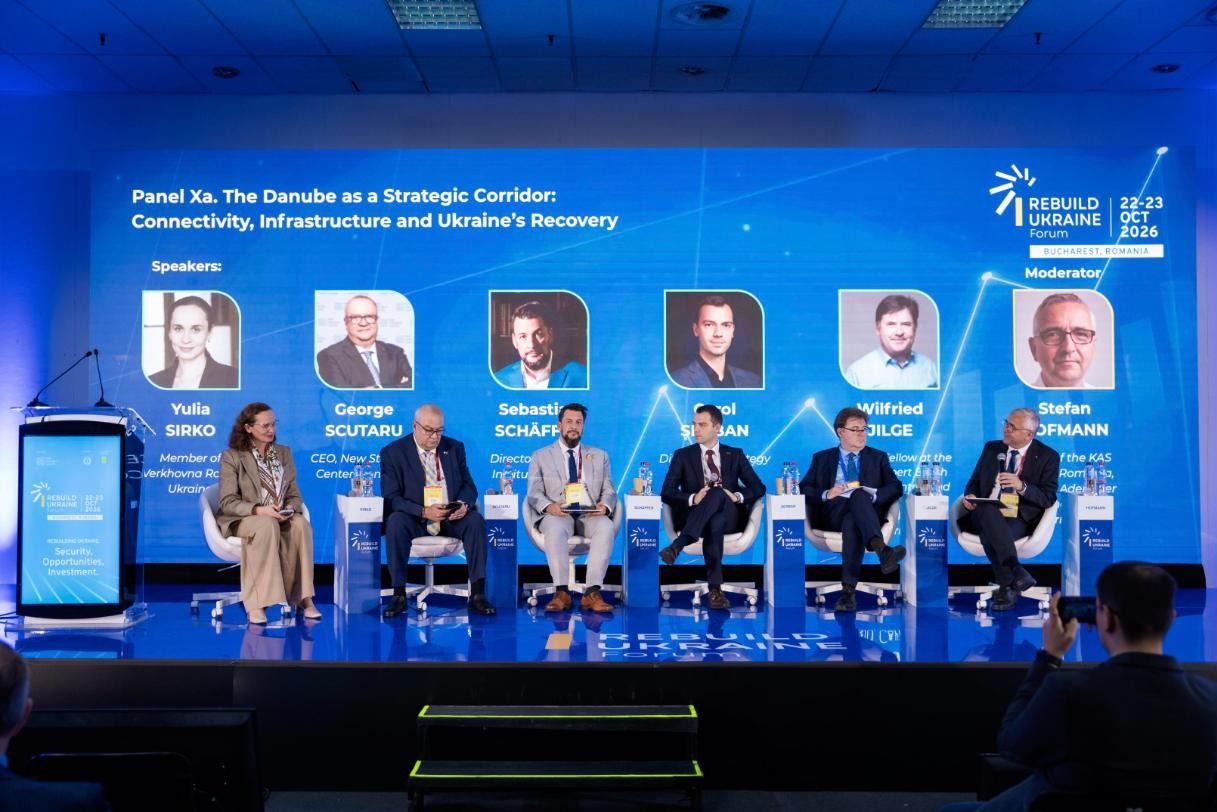
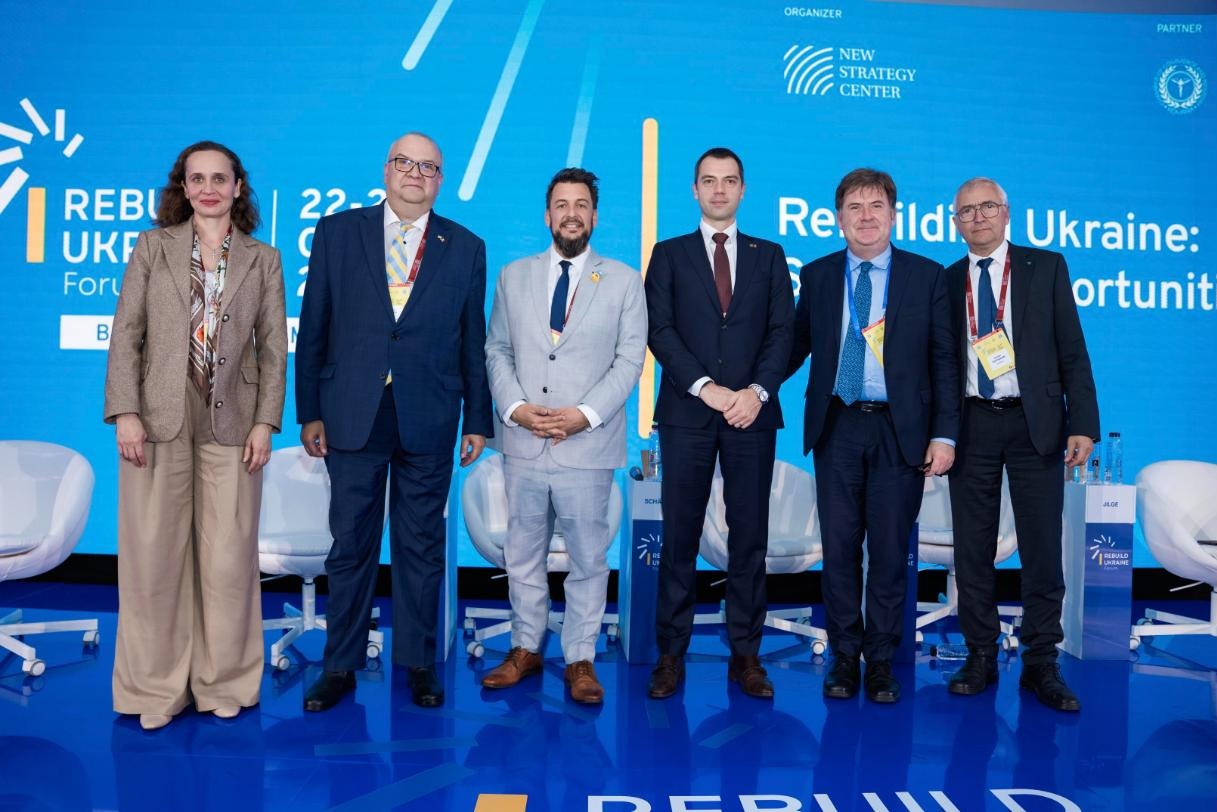
Rebuild Ukraine Forum 2026 / Panel Xa / 23 October 2026
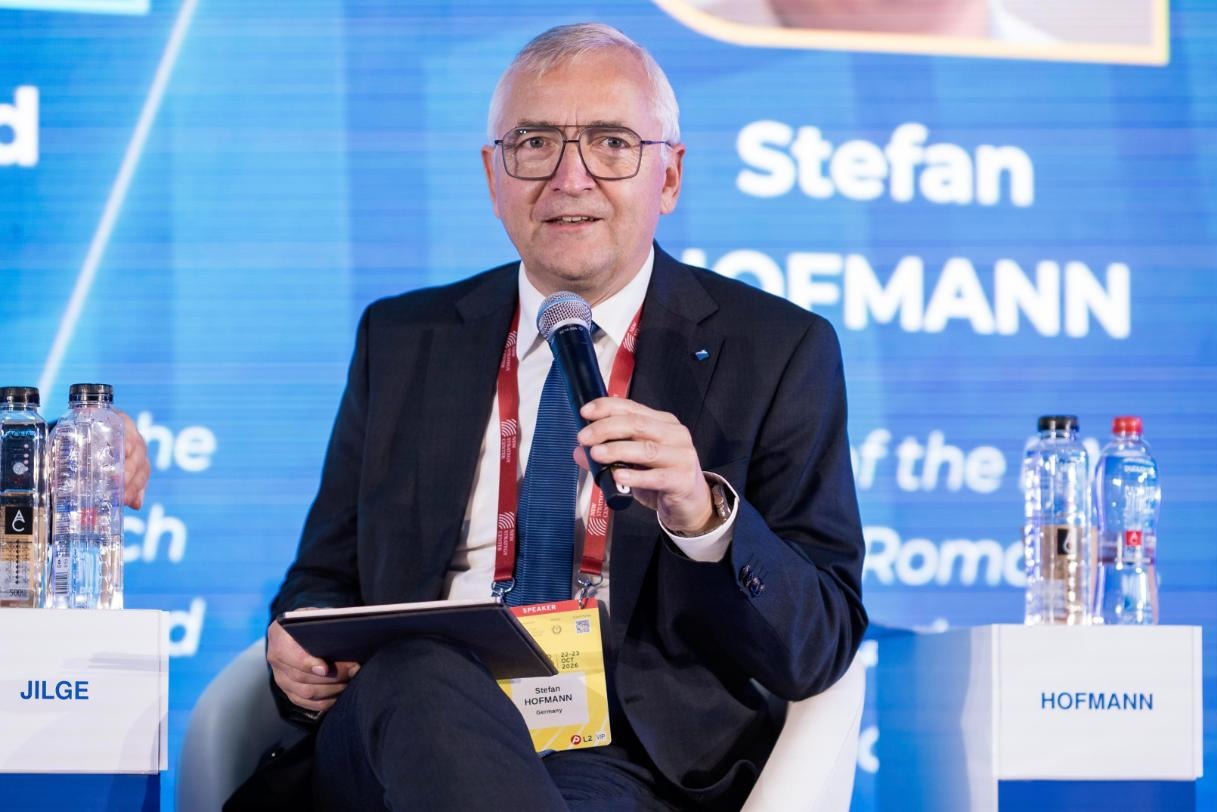
Moderator
Stefan Hofmann
Head of the KAS Offices Romania, Konrad Adenauer Foundation, Germany
Speaker
Yulia Sirko
Member of the Parliamentary Friendship Group with Romania, Verkhovna Rada, Ukraine
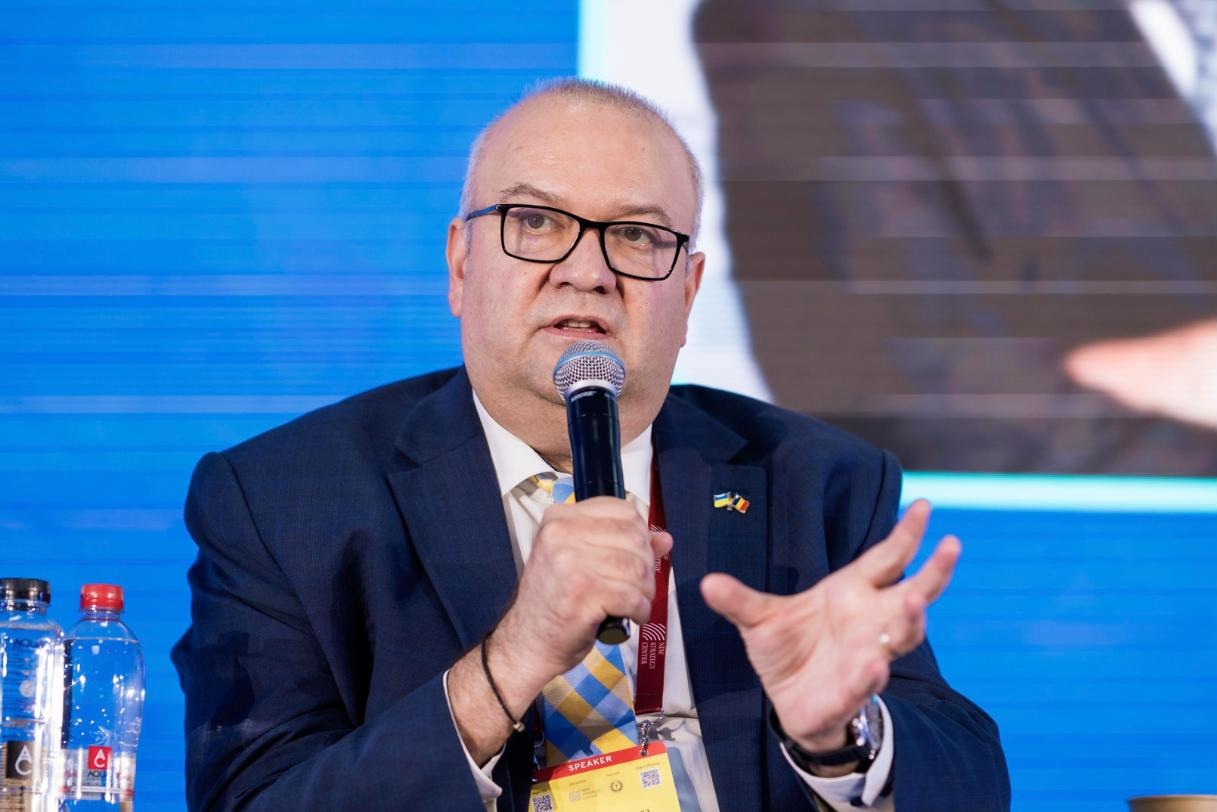
Speaker
George Scutaru
CEO, New Strategy Center, Romania
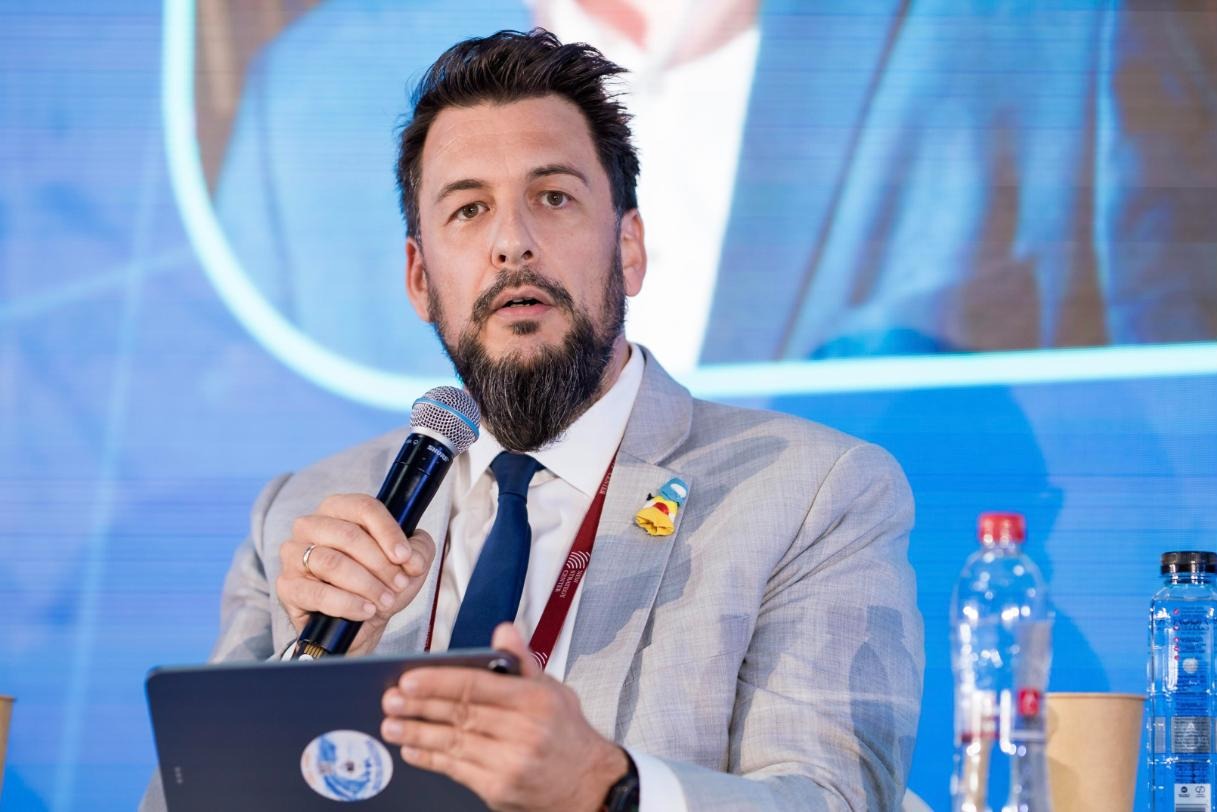
Speaker
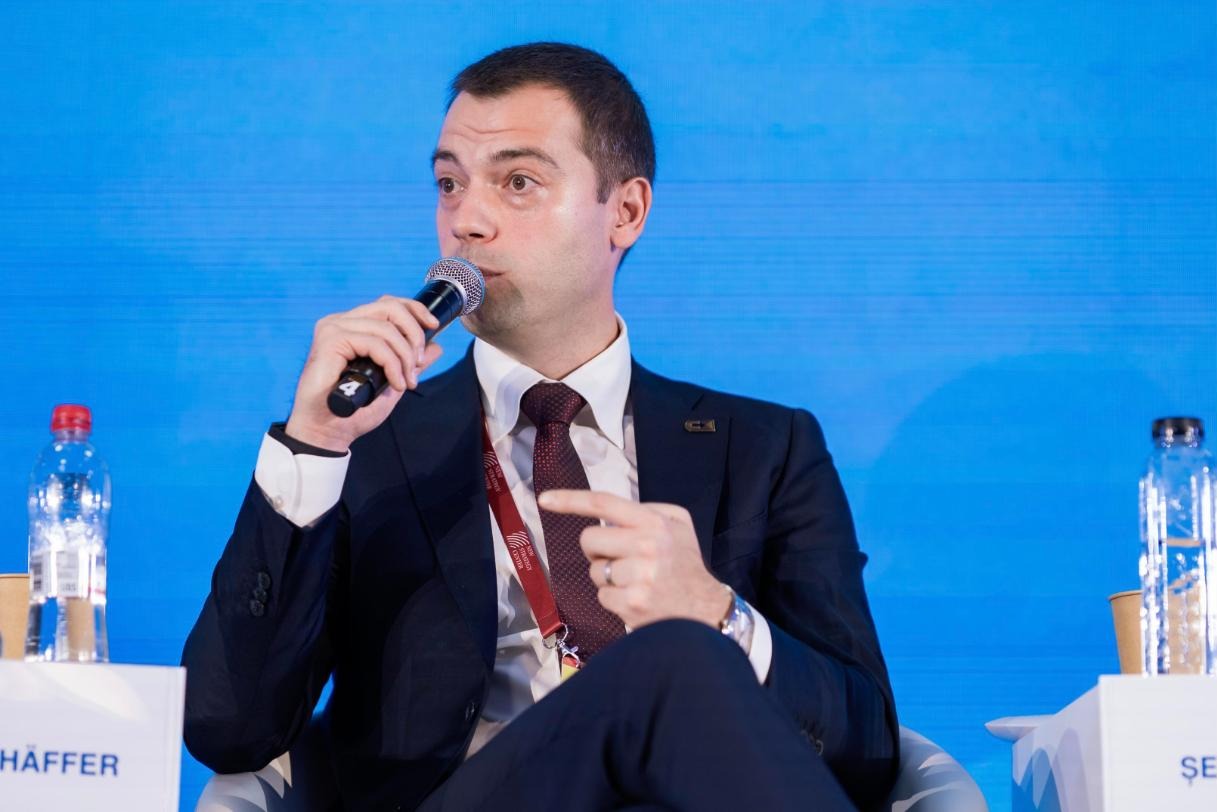
Sebastian Schäffer
Director, Institute for the Danube Region and Central Europe (IDM), Austria
Speaker
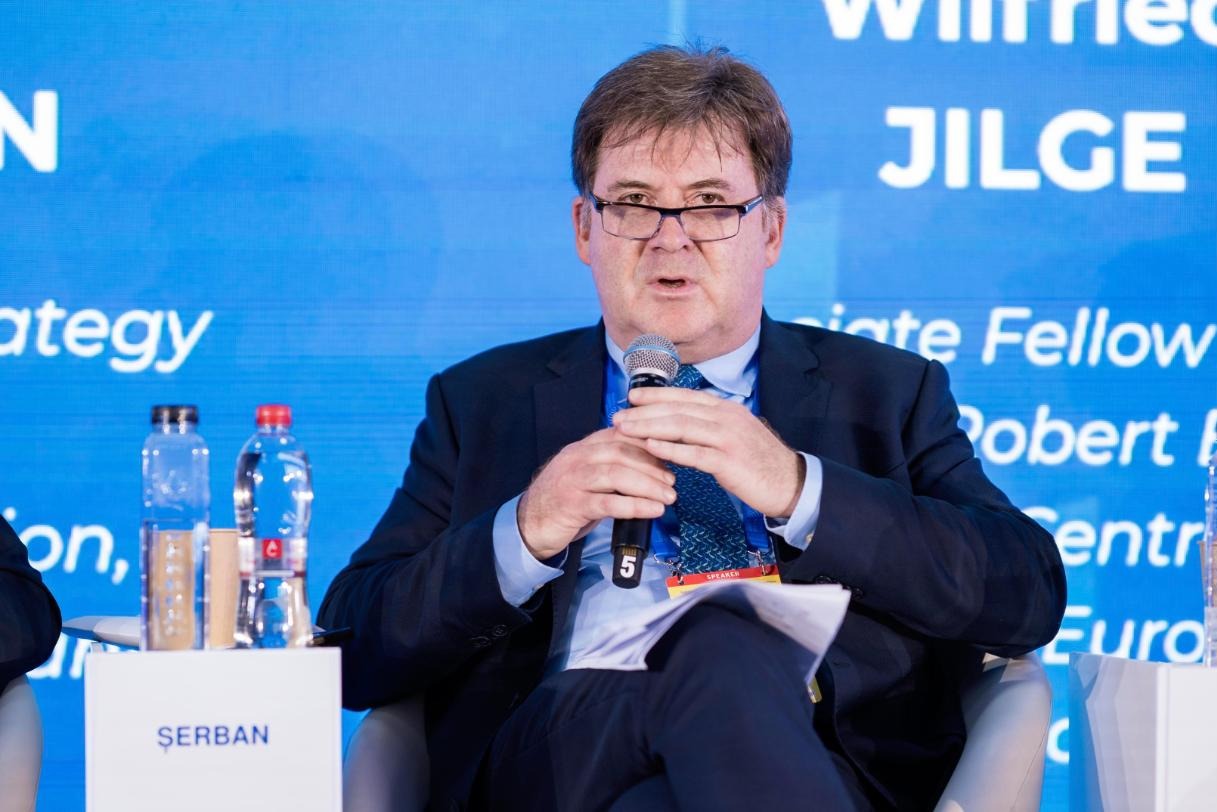
Carol Șerban
Director of Strategy and Transformation, Concelex, Romania
Speaker
Wilfried Jilge
Senior Expert on Ukraine and the wider Black Sea region, German-Ukrainian Bureau
The discussions focused on the vital role of the Danube as an international waterway and strategic corridor for connectivity, security and Ukraine’s economic recovery. Yulia Sirko emphasized the necessity of holistic Danube development, highlighting climate change challenges (droughts), the critical need for river dredging and demining, the feasibility of the Isaccea-Orlivka bridge (via PPP or public financing) and the acceleration of customs procedures to reduce massive border queues. George Scutaru stressed that the Danube will serve as the fastest and most eco-friendly route from Southern Germany to Southern Ukraine, requiring robust rail and road connectivity between Constanța, Galați, Brăila, Reni and Giurgiulești, even as Ukrainian ports face heavy pressure from Russian strikes.
Examining European policies and regional integration, Sebastian Schäffer noted that Danube transport policy dates back to 1957, older than Schengen or the euro, and advocated for gradual integration approaches for Ukraine and Moldova through updated European corridors. He pointed out a drop in transported goods from 2024 to 2026, calling for more concrete action alongside strategy and for better communication of EU success stories. From the construction industry perspective, Carol Șerban underscored that construction firms become critical when security and connectivity converge, advocating for widespread public-private partnerships (PPPs), integrated design-build-operate frameworks and a sovereign infrastructure index for NATO’s eastern flank starting around Sulina.
In the concluding debate rounds, Wilfried Jilge underscored the paramount importance of security at the Danube mouths, proposing permanent patrols with small unmanned boat flotillas, buffer zones and no-fly zones to protect critical infrastructure in border areas. He also highlighted that Ukrainian grain exports can be diversified through routes connecting to the Western Balkans and Italy (via the Lviv-Chernivtsi railway), lowering extra costs for farmers. Finally, panelists touched upon the political challenges Europe may face in 2027, while affirming that substantial financial backing from Germany (such as the €12 billion voted by the Bundestag) and Romania’s upcoming status as the EU’s largest gas producer in 2027 will strongly reinforce the resilience and security of the wider Black Sea and Danube region.

Watch the full panel English → Română → Українська →