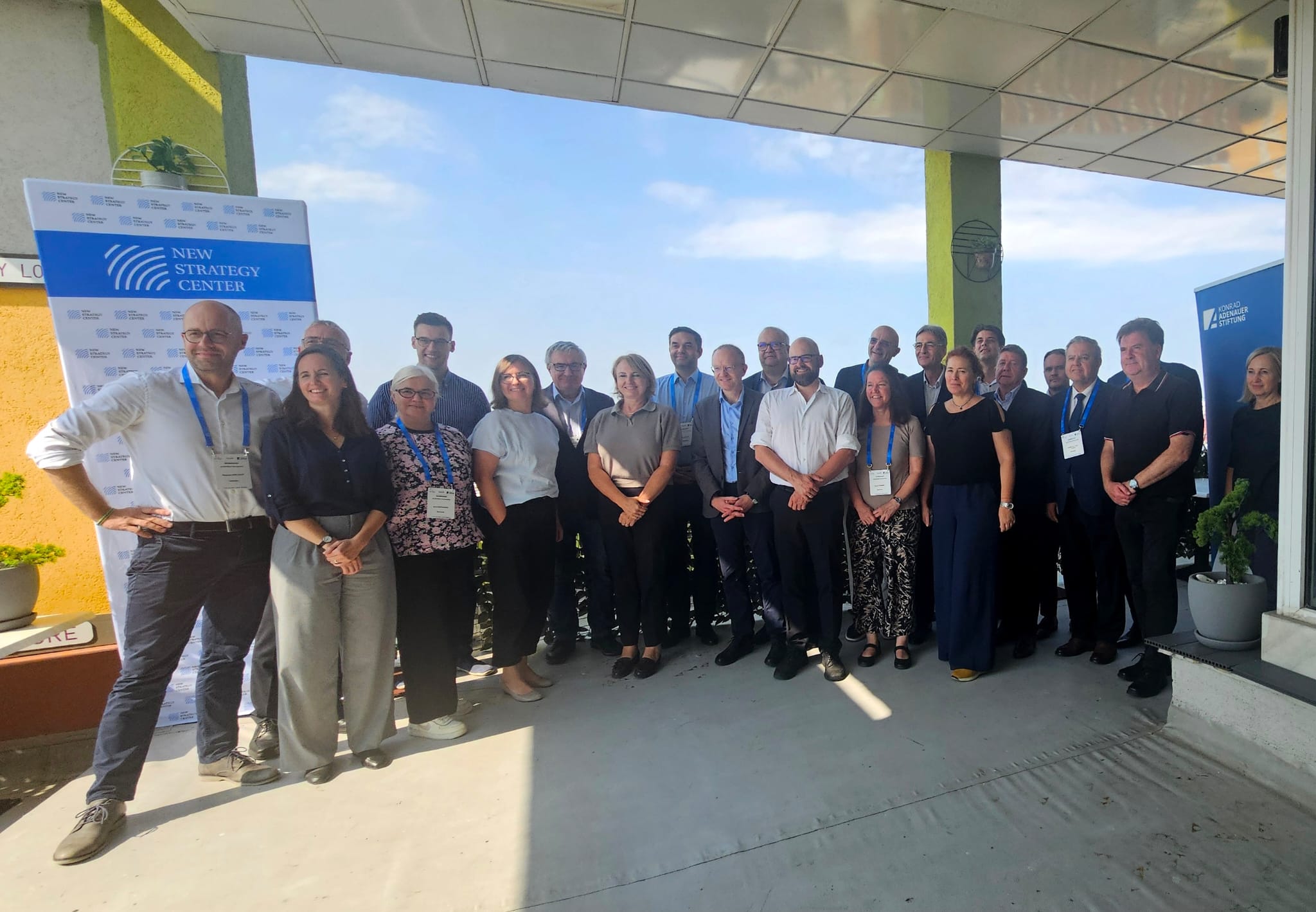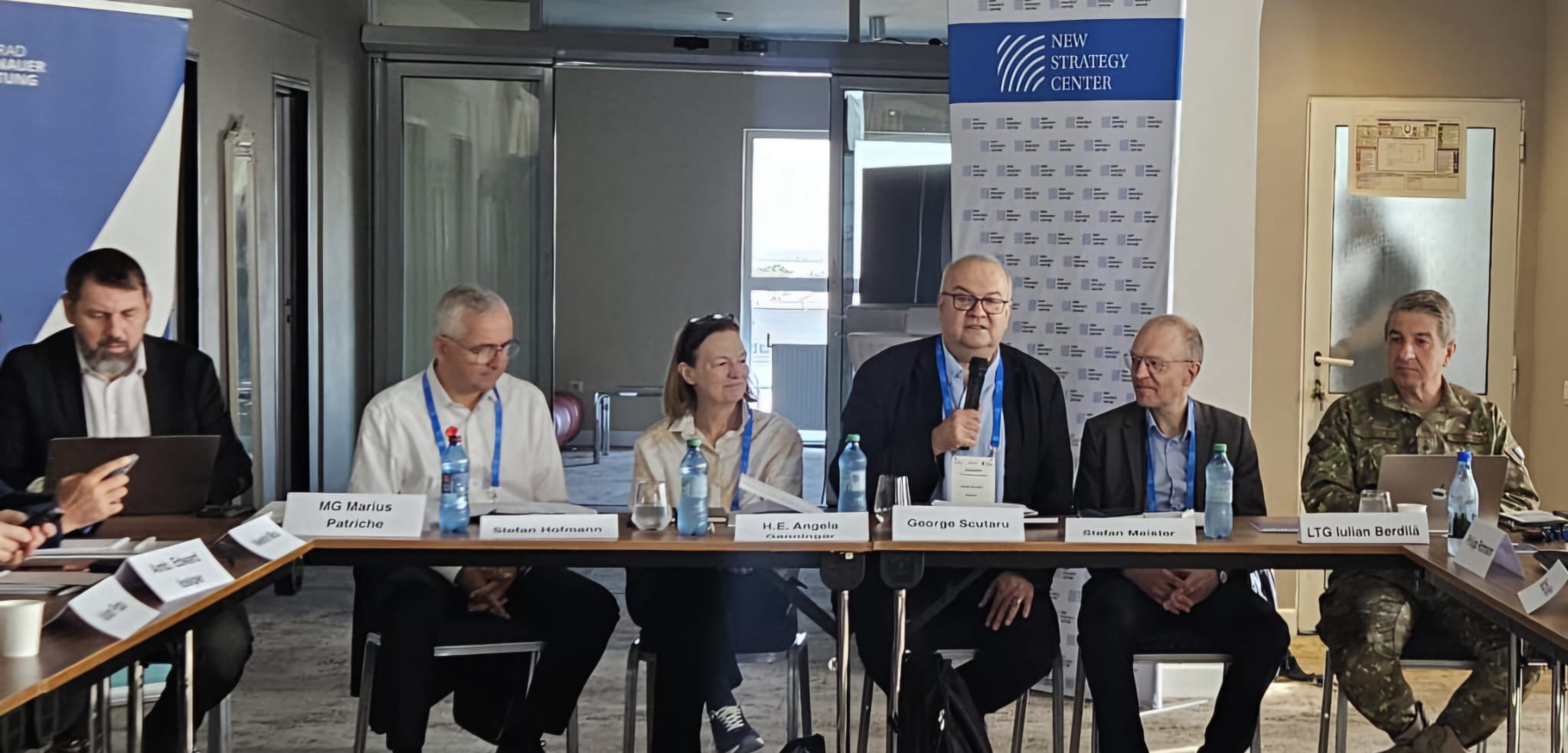
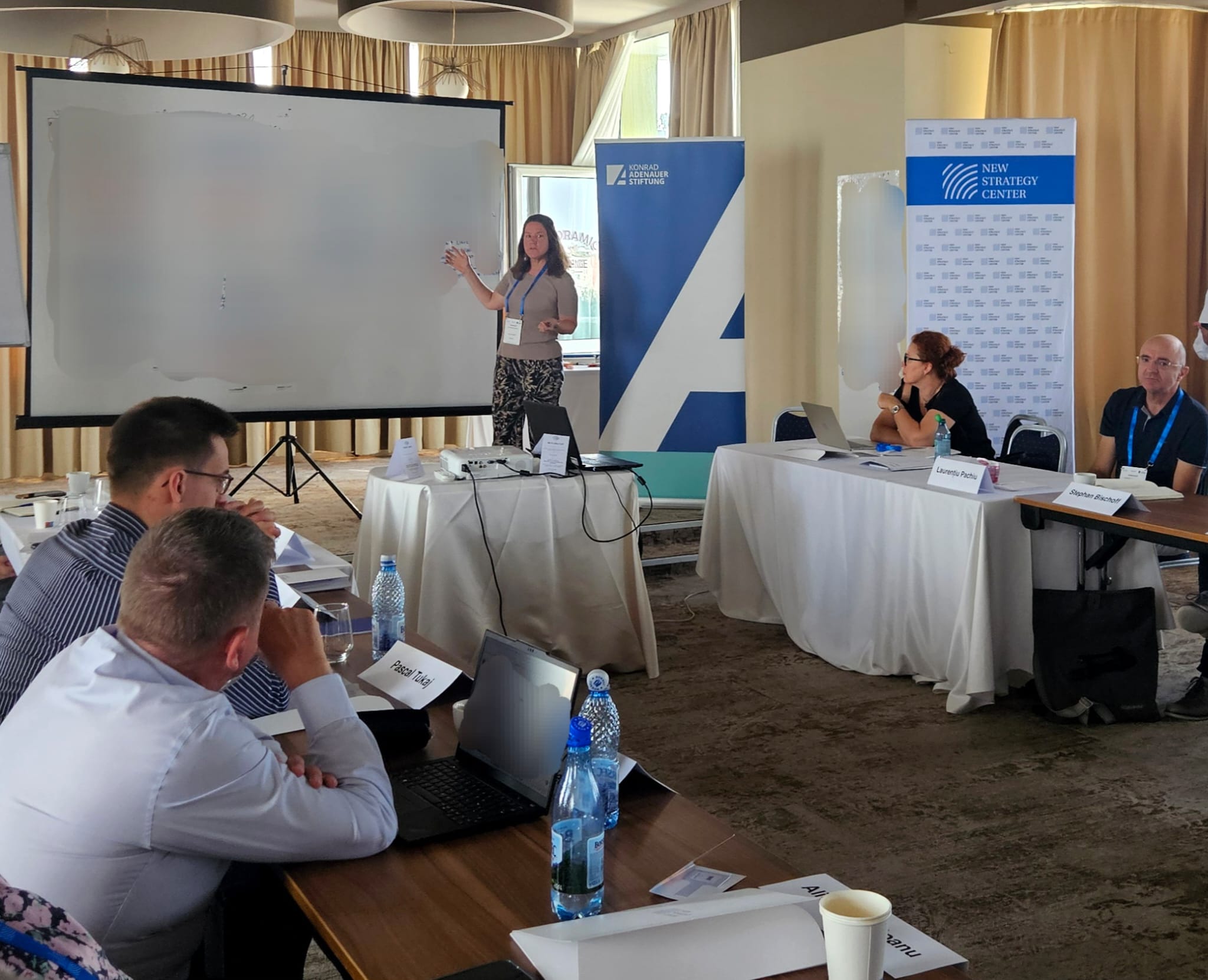
The New Strategy Center, the German Council on Foreign Relations (DGAP), and the Konrad Adenauer Stiftung (KAS) organized, from 17 to 19 September in Galați, a workshop dedicated to the security challenges facing the Black Sea region. Romanian and German experts also addressed bilateral relations, the need to strengthen cooperation across several areas, and ways to achieve deeper German engagement in the Black Sea region.
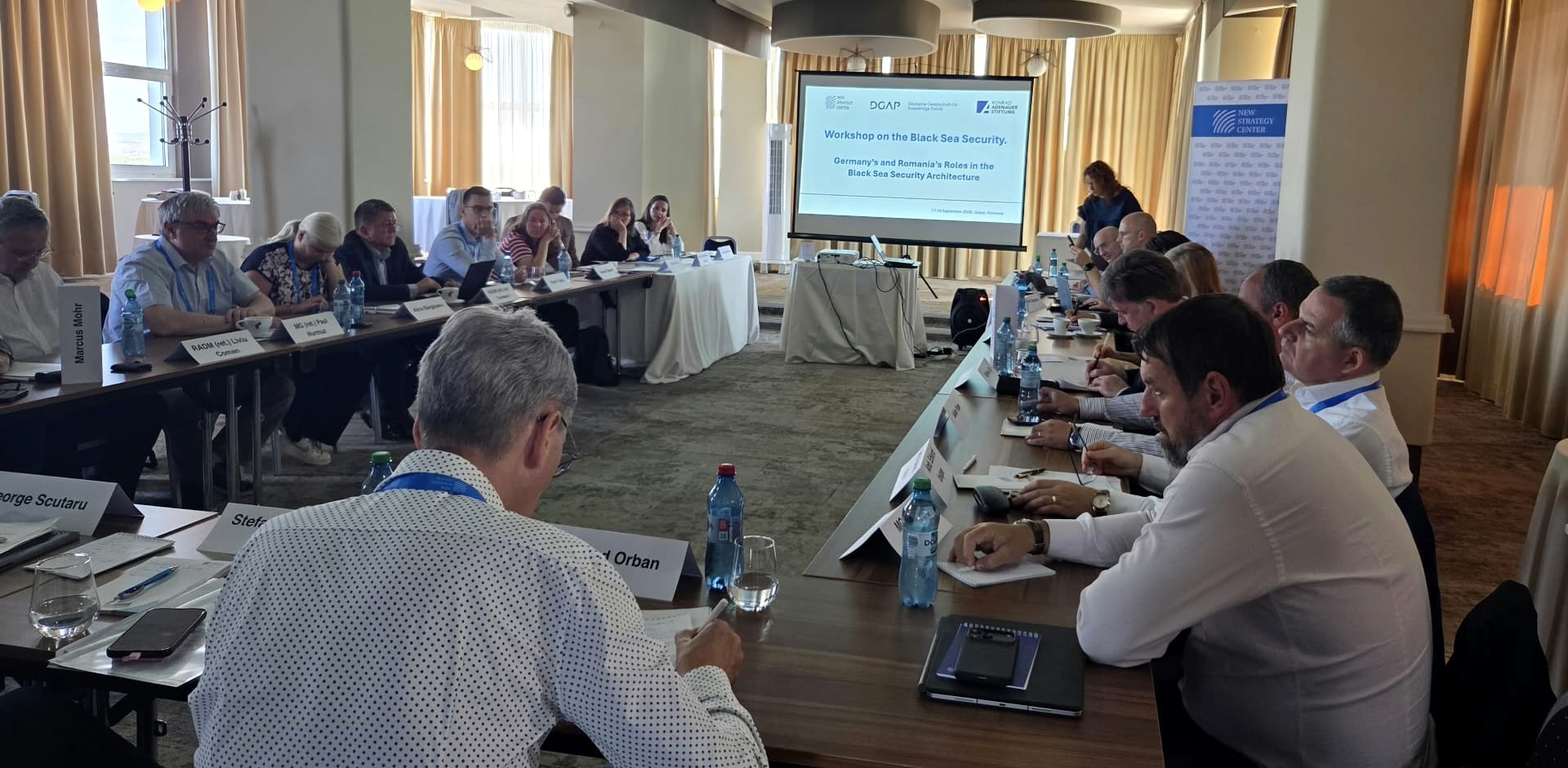
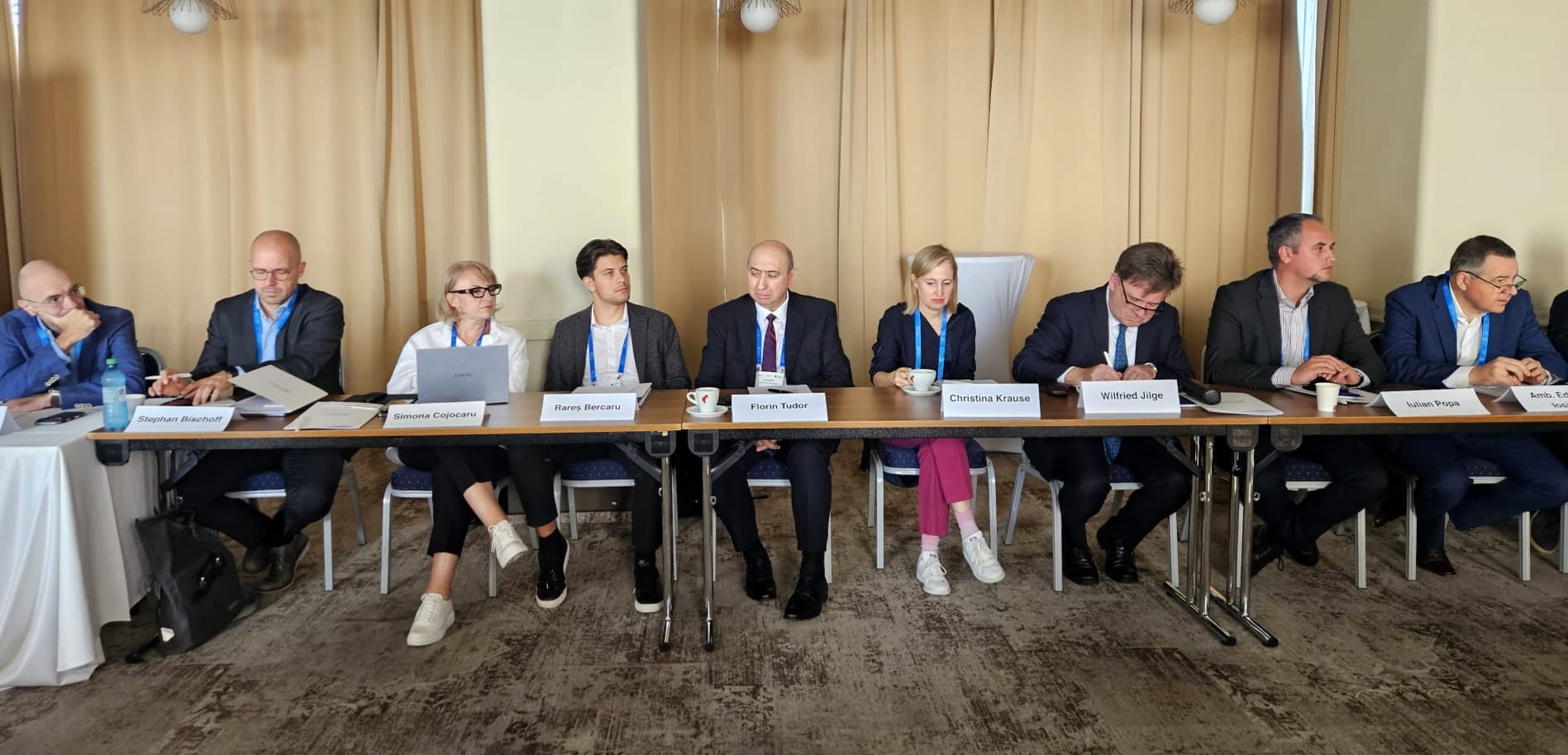
The German experts also attended briefings by representatives of the Romanian Defence Staff, the Ministry of Internal Affairs, and the Ministry of Foreign Affairs on the regional security situation and the multiple threats facing Romania in the context of Russia’s war of aggression against Ukraine, with Romania being in close proximity to an area of intense conflict.
The importance of the Danube and Romanian ports in supporting Ukraine’s exports to global markets, as well as developments in energy and connectivity projects in the offshore area of the Black Sea, were among the topics of particular interest to the participants.
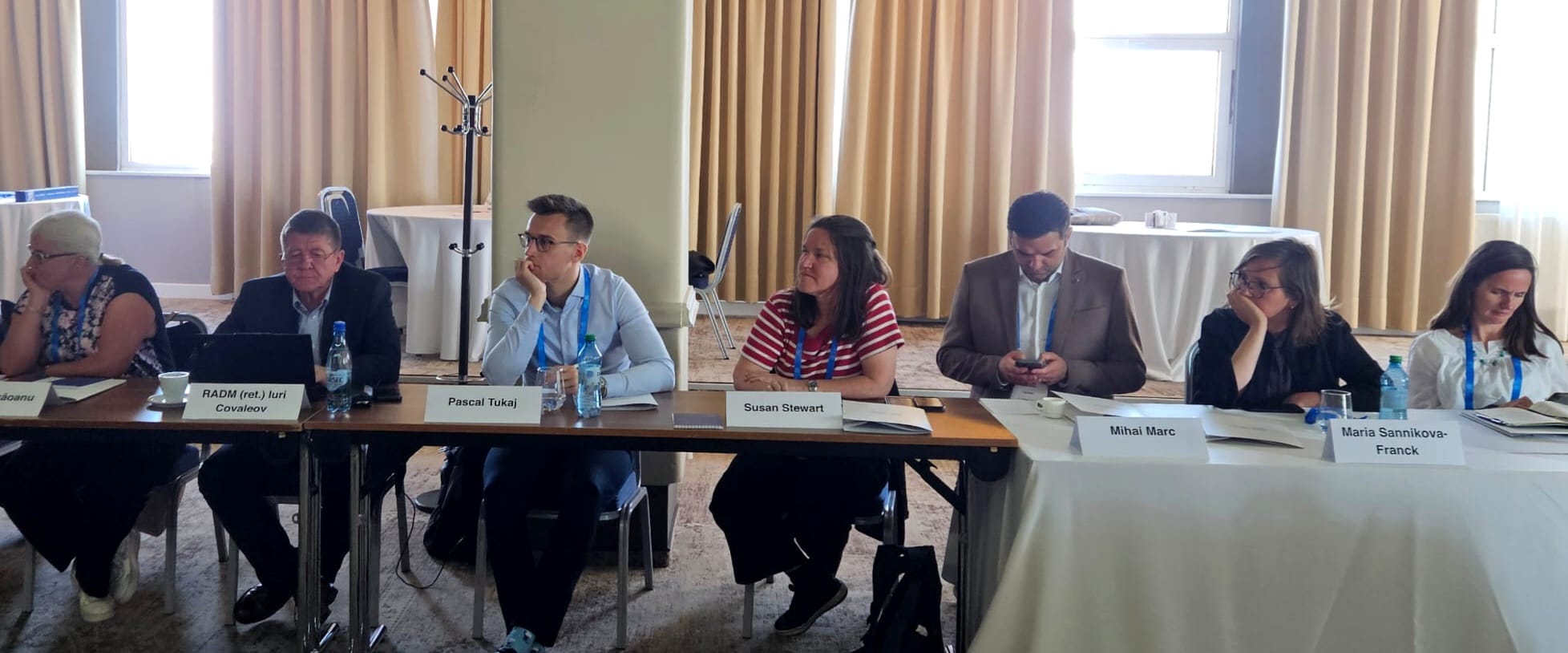
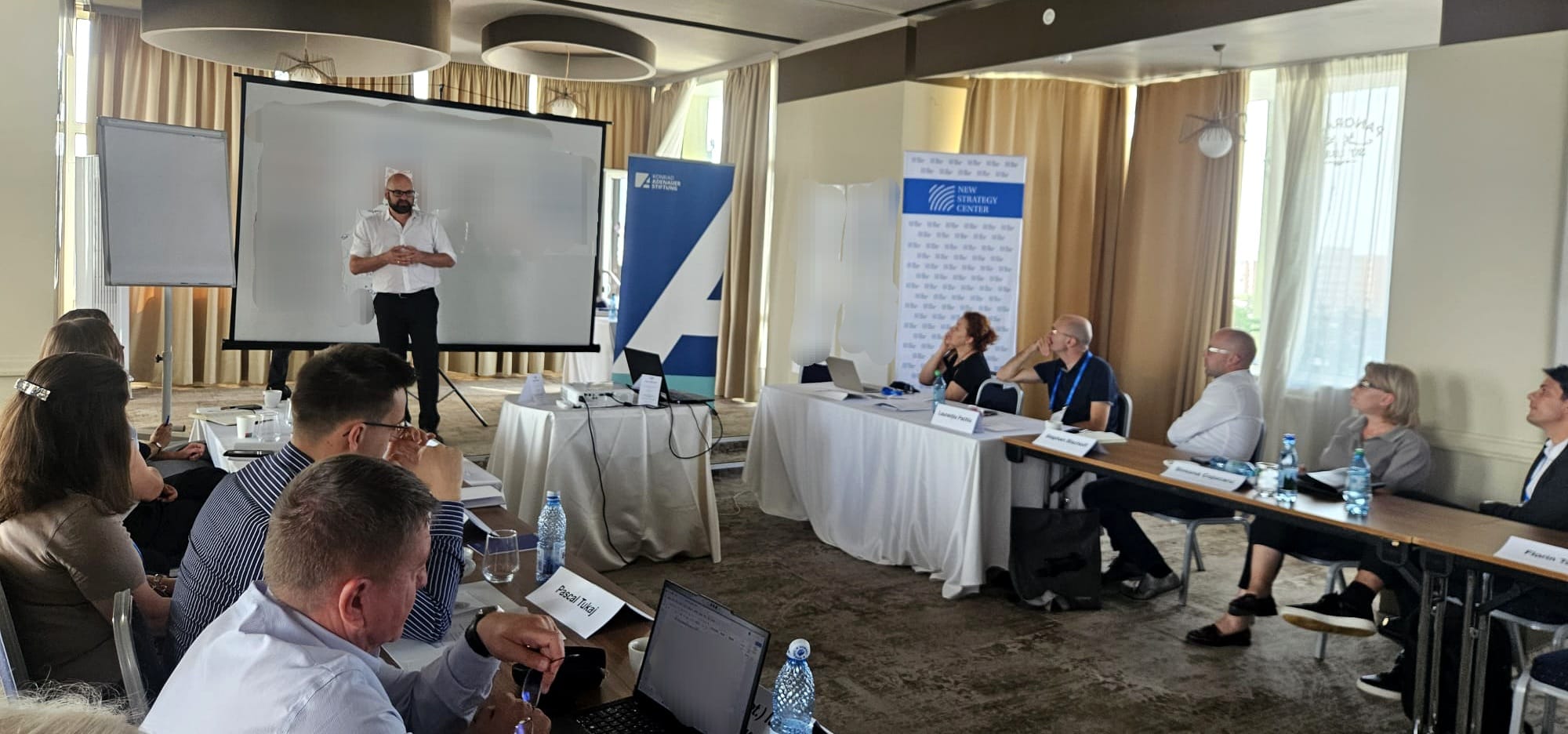
Germany has increased the pace of its defence investments, currently focusing its resources primarily on the Baltic region. However, according to the experts, assuming greater responsibilities in the field of European defence will gradually also entail taking on a more significant role in other geographical areas. A better understanding of the security environment in other regions where Russia is acting aggressively, such as the Black Sea, contributes not only to greater cohesion on NATO’s Eastern Flank, but also brings clear benefits to bilateral cooperation, including in the area of defence-industrial cooperation.
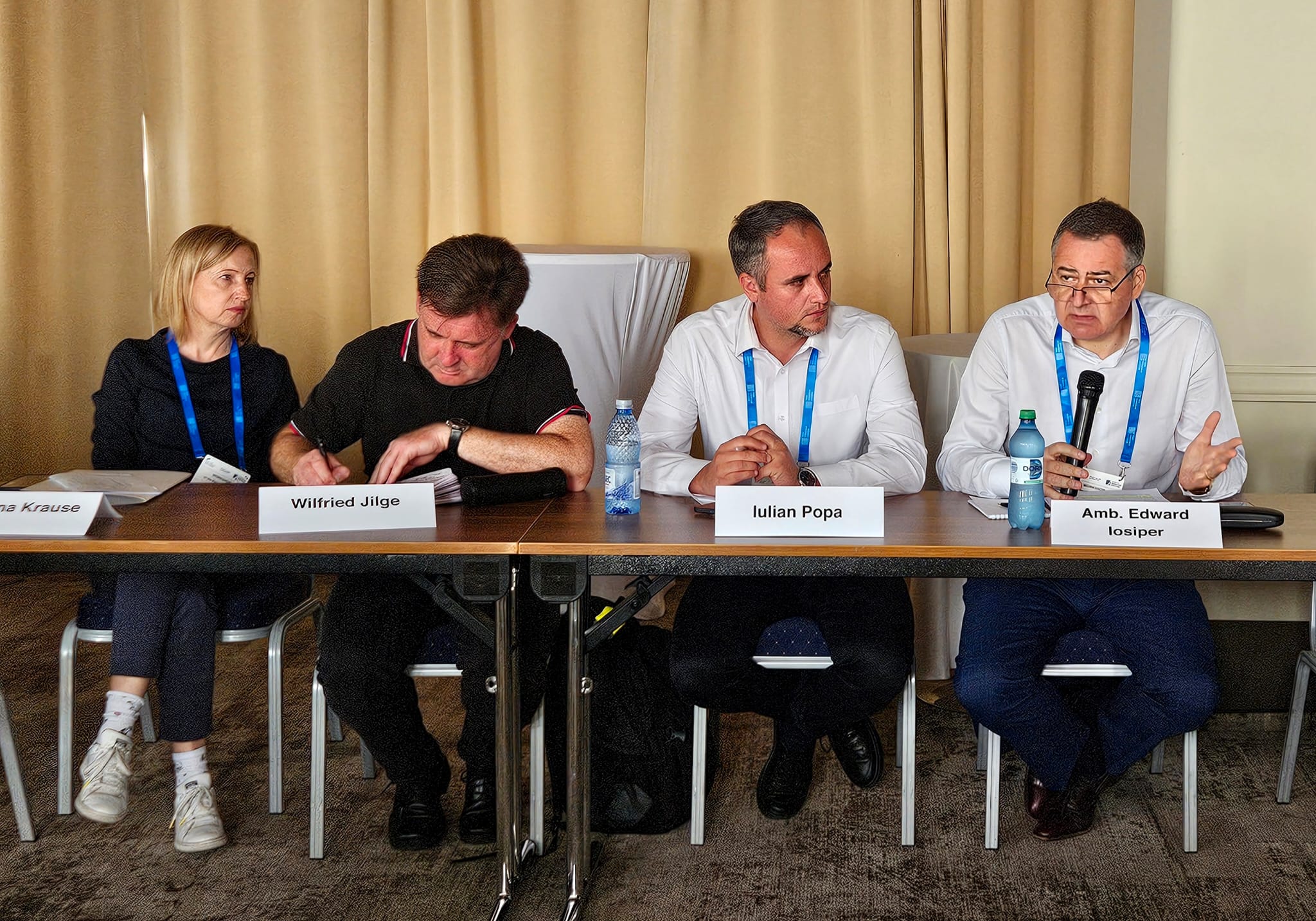
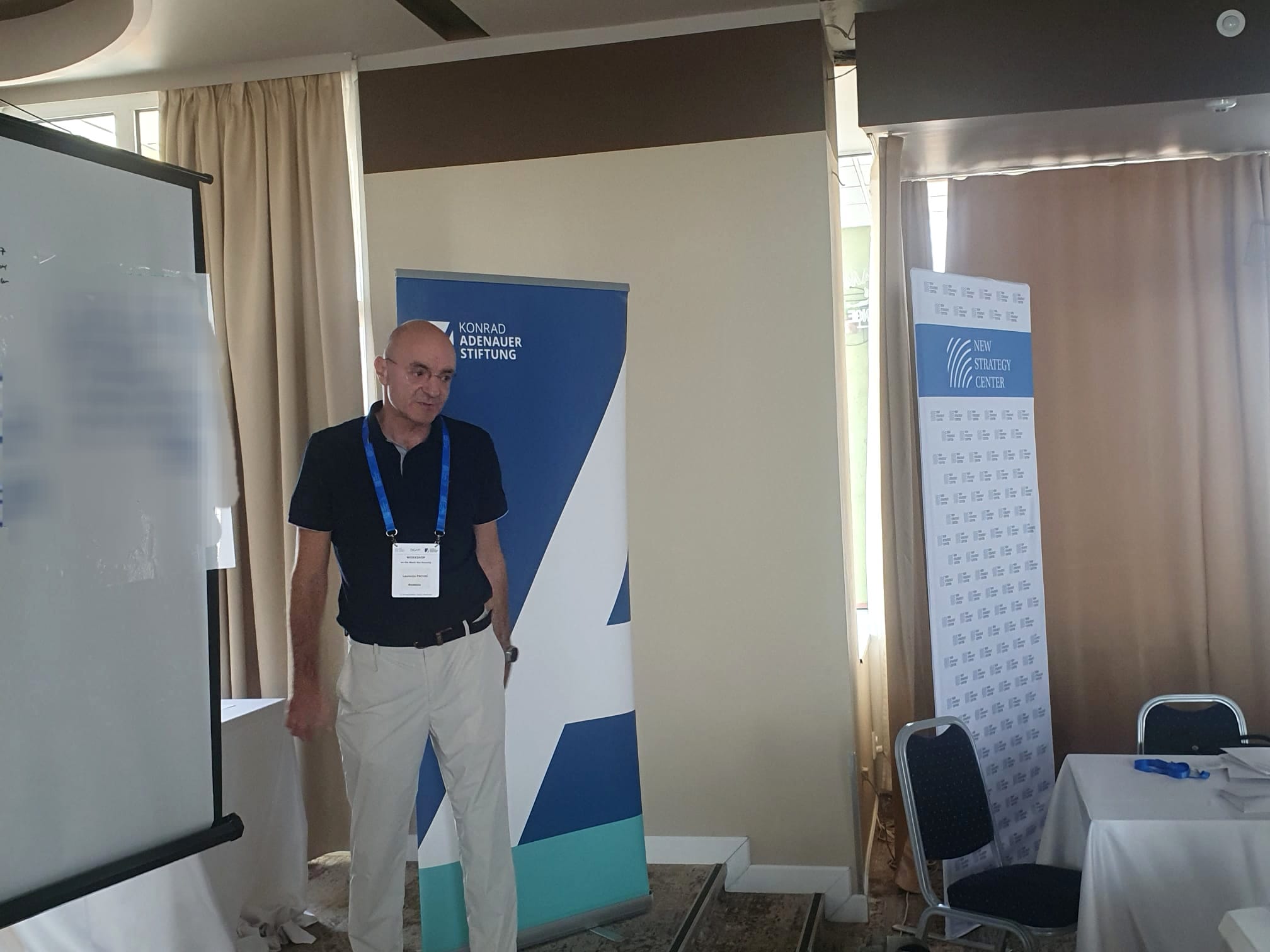
The dialogue between Romanian and German experts is part of the New Strategy Center’s ongoing efforts to raise international awareness of the strategic relevance of the Black Sea and of Romania’s role within NATO and the EU, including in supporting Ukraine in a particularly challenging security environment.
The New Strategy Center is grateful to the Ministry of National Defence, the Ministry of Foreign Affairs, and, in particular, to the Ministry of Internal Affairs for their support.