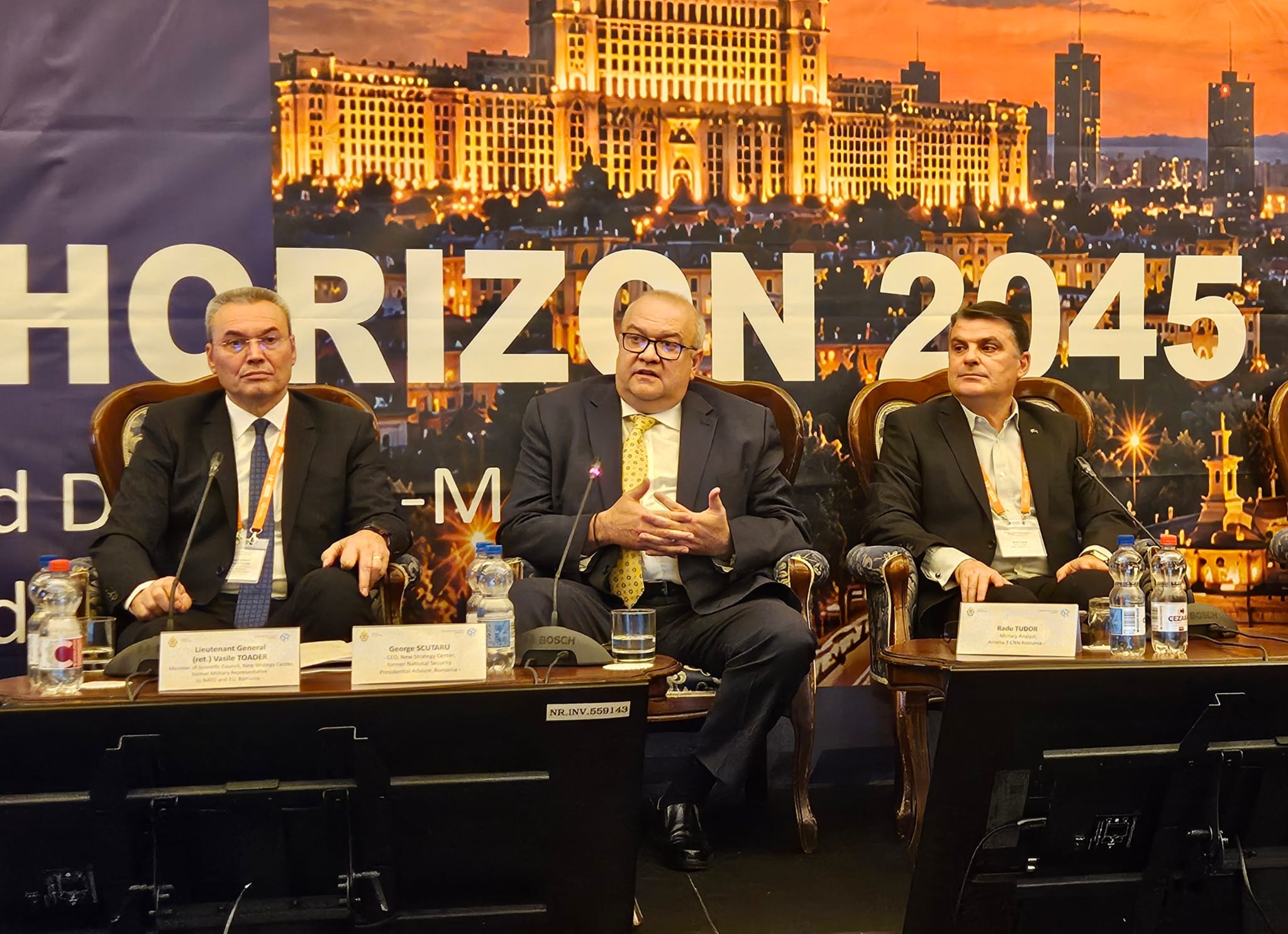
New Strategy Center organized the panel “Five Years of War in Ukraine: From Blitzkrieg to a War of Attrition. Lessons for Romania and NATO” as part of the Romanian Military Thinking Conference. The panel focused on the evolution of the conflict in Ukraine, the transformation of modern warfare, and the implications for Romania’s and NATO’s security.
Discussions highlighted how the war in Ukraine evolved from Russia’s attempt to secure a swift victory in February–March 2022 into a war of attrition, characterized by adaptability, the widespread use of autonomous systems, electronic warfare and innovative technologies, as well as Ukraine’s asymmetric approach. Speakers emphasized that Ukraine’s experience demonstrates the importance of rapid adaptation, operational flexibility, and the development of a defence industry capable of sustaining a prolonged conflict.
A central topic of the discussions was the need to strengthen NATO’s deterrence and defence posture by increasing force readiness, accelerating investments in military capabilities, and ensuring a more substantial Allied presence on the Eastern Flank, including in the Black Sea region. Participants stressed that the lessons learned from Ukraine must be translated swiftly into concrete measures, ranging from the modernization of military doctrines and the integration of emerging technologies to strengthening resilience and the ability to respond to conventional and hybrid threats.
Particular attention was given to the deteriorating security situation in the Black Sea, amid intensified Russian attacks on commercial shipping, including recent incidents involving civilian vessels attacked in Romania’s territorial waters. Speakers highlighted that safeguarding freedom of navigation and critical maritime infrastructure requires a firmer response from NATO in order to prevent further Russian escalation.
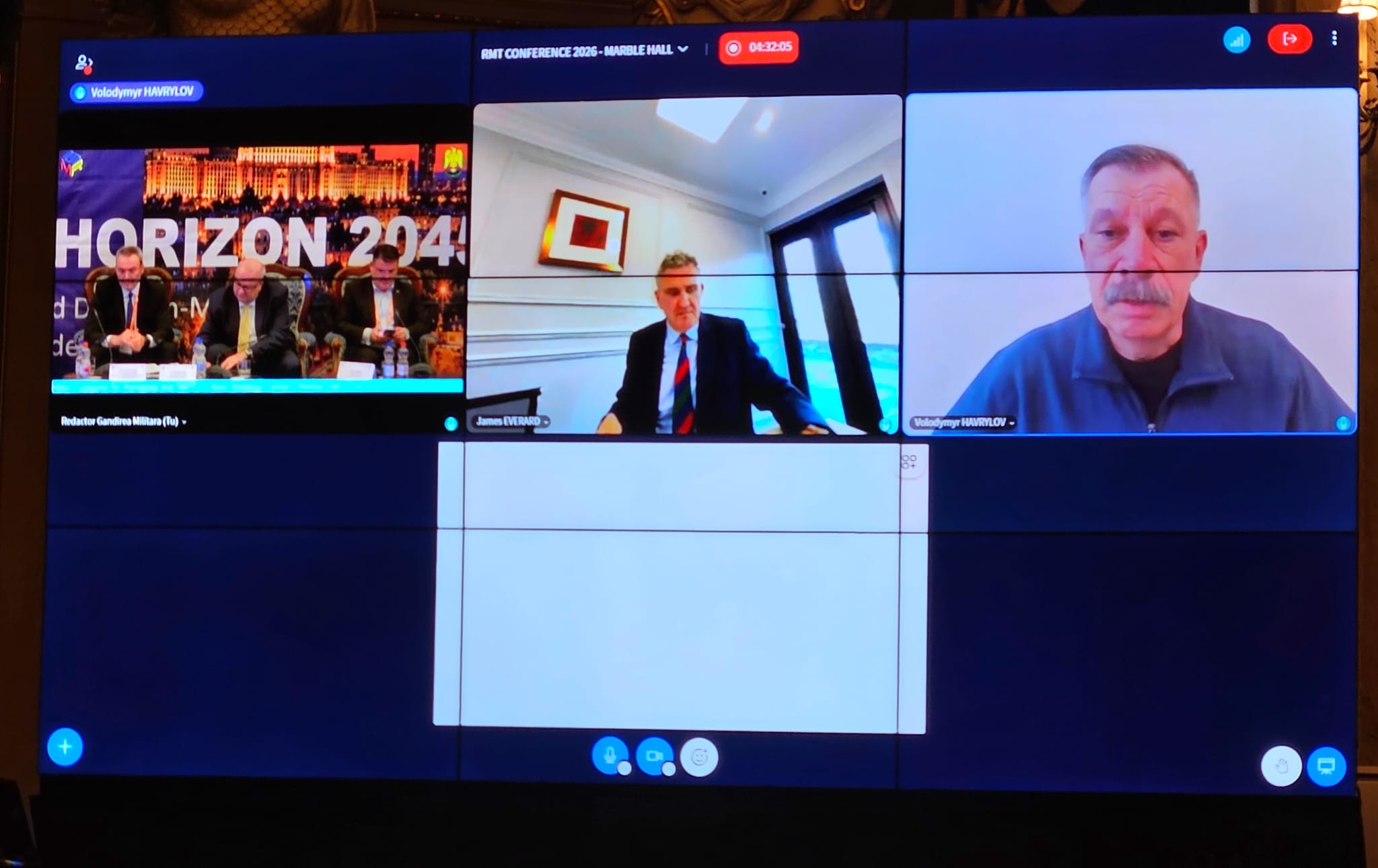
The panel was moderated by Radu Tudor, military analyst at Antena 3 CNN, and featured the following speakers: General (Ret.) Sir James Everard, former DSACEUR, UK; Major General (Ret.) Volodymyr Havrylov, former Deputy Minister of Defence of Ukraine; Lieutenant General (Ret.) Vasile Toader, Member of the NSC Scientific Council; and George Scutaru, CEO of New Strategy Center.
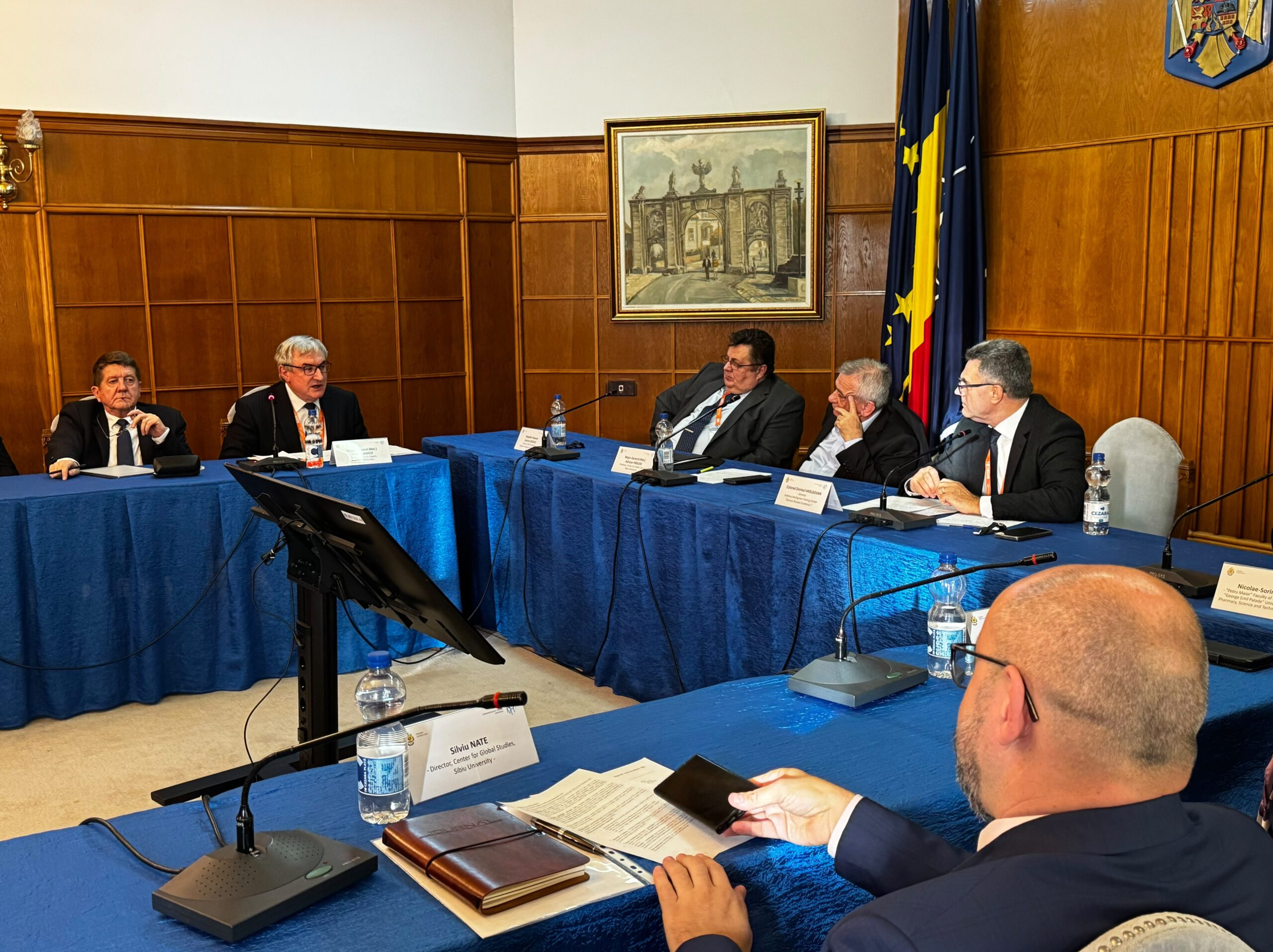
Furthermore, as part of the conference, Major General (Ret.) Paul Hurmuz, NSC Senior Associate Expert, spoke at the session entitled “The Evolution of Defence Intelligence.”
Major General (Ret.) Paul Hurmuz emphasized that the debate on Romania’s defence should not be reduced to the number of Allied troops deployed on national territory, but should instead focus on the actual capabilities they bring and Romania’s ability to address its own vulnerabilities. Regarding military intelligence, he pointed out that artificial intelligence does not replace human analysis and judgement, but can accelerate information processing and the decision-making cycle. Decision-making superiority depends on the ability to transform data into information, information into decisions, and decisions into action faster than the adversary. At the same time, the speed offered by AI can become a vulnerability if decision-makers end up seeing only what the system allows them to see. For this reason, human responsibility cannot be delegated to algorithms, and critical thinking must be regarded as an operational capability in its own right.
The central message was that the integration of AI into intelligence and military processes must preserve meaningful human control over decision-making.